




Introduction: The Lens as a Sensor – A Data Acquisition Perspective
In the realm of AI and automation, cameras are more than just tools for capturing memories; they are sophisticated data acquisition sensors, critical for computer vision, object recognition, situational awareness, and content generation pipelines. The quality, consistency, and processing capabilities of a mobile device’s camera system directly impact the utility of the data it generates for downstream AI models. Today, we dissect the camera architectures of two flagship contenders: the Samsung Galaxy S24 Ultra and the iPhone 15 Pro Max, from the perspective of an AI automation expert analyzing their data capture and processing prowess.
Product Overview: Computational Photography Powerhouses
Both the Samsung Galaxy S24 Ultra and the iPhone 15 Pro Max represent the pinnacle of current mobile imaging technology, each approaching computational photography with distinct philosophies. Samsung typically emphasizes hardware versatility, pushing the boundaries of optical zoom and high-resolution sensors, complemented by an aggressive suite of on-device AI editing tools. Apple, on the other hand, prioritizes consistency, color accuracy, and an integrated, highly optimized video workflow, leveraging its silicon for exceptional real-time processing and ProRes capabilities. Understanding these core tenets is crucial for evaluating their suitability as data collection nodes in an automated workflow.
Key Features: Beyond the Megapixels
- Samsung Galaxy S24 Ultra: Features a robust quad-camera system led by a 200MP main sensor, offering unparalleled resolution for data cropping and analysis. Its dual telephoto setup includes a revolutionary 5x optical zoom (50MP sensor) for superior reach and a 3x optical zoom, complemented by advanced AI Zoom capabilities. Video recording extends to 8K, and the suite of Galaxy AI editing tools (like Generative Edit) offers significant post-capture data manipulation.
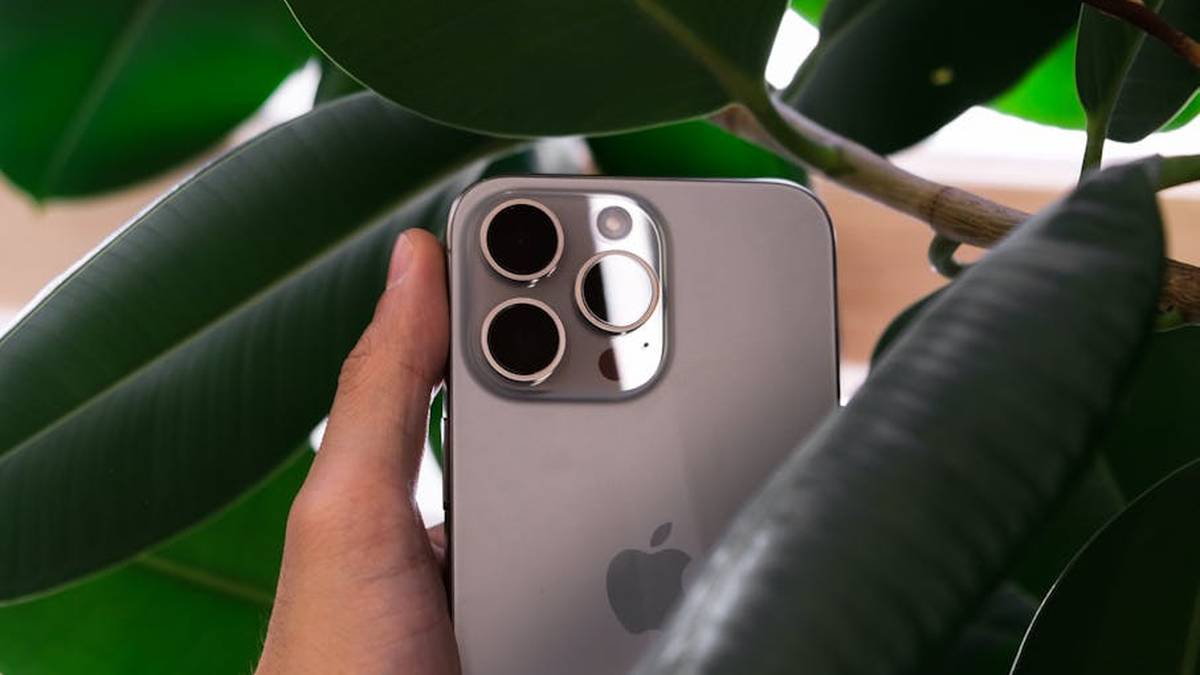
- iPhone 15 Pro Max: Employs a triple-camera system with a 48MP main sensor, capable of shooting in 24MP default, 48MP HEIF Max, or ProRAW for professional workflows. The highlight is its 5x optical telephoto lens and an improved ultrawide. Apple’s strength lies in its cinematic video modes, ProRes video recording up to 4K at 60fps directly to external drives, and Log video for advanced color grading – features highly valued in professional content automation and analysis pipelines.
Camera Features Comparison Table
| Feature | Samsung Galaxy S24 Ultra | iPhone 15 Pro Max |
|---|---|---|
| Main Sensor Resolution | 200MP (f/1.7, OIS, wide) | 48MP (f/1.78, OIS, 24mm equivalent) |
| Ultrawide Sensor | 12MP (f/2.2, 120˚ FoV) | 12MP (f/2.2, 120˚ FoV) |
| Telephoto Zoom (Optical) | 50MP (f/3.4, 5x periscope) & 10MP (f/2.4, 3x) | 12MP (f/2.8, 5x tetraprism) |
| Video Recording Max | 8K at 30fps, 4K at 120fps (limited) | 4K at 60fps (ProRes/Log), Cinematic Mode (4K HDR) |
| AI Photo Processing | Advanced Scene Optimizer, Nightography, Object Eraser, Generative Edit (on-device AI) | Photonic Engine, Deep Fusion, Smart HDR 5, Focus & Depth Control (post-capture) |
| Specialized Video Features | Pro Video Mode, Super Steady, Director’s View | ProRes Video (external recording), Log Video, Action Mode, Cinematic Mode with focus shifts |
| Low Light Performance | Excellent (Nightography, high-res sensor binning) | Excellent (Photonic Engine, consistent exposure) |
| Post-Capture Editing | Extensive built-in AI editing tools (e.g., object removal, generative fill) | Robust photo/video editing apps (external software often preferred for ProRes/Log) |
Pros and Cons from an AI Automation Perspective
Samsung Galaxy S24 Ultra:
- Pros:
- High-Resolution Data Capture: The 200MP main sensor provides an immense canvas for cropping, re-framing, and extracting granular data points for computer vision models.
- Versatile Optical Zoom: Dual telephoto lenses offer flexibility for diverse data acquisition scenarios, from wide-area surveillance to detailed object identification at a distance.
- On-Device Generative AI: The integrated Generative Edit tools can be invaluable for rapid prototyping or filling in missing data points in images, reducing manual intervention.
- Extensive Manual Controls: Pro mode offers deep control over parameters, critical for consistent data capture under specific experimental conditions.
- Cons:
- Potential Over-Processing: Samsung’s aggressive image processing can sometimes lead to an “artificial” look, potentially altering raw data nuances crucial for sensitive AI models.
- Color Inconsistencies: Minor color shifts between different lenses can complicate data harmonization in multi-sensor setups.
- 8K Video File Sizes: While impressive, 8K video generates massive data files, requiring significant storage and processing infrastructure, which might not always be justified for the use case.
iPhone 15 Pro Max: Smart Thermostats with Geofencing for
- Pros:
- Color Science Consistency: Apple’s renowned color accuracy and consistency across lenses are paramount for reliable data input into AI models where color integrity is critical.
- Professional Video Workflow: ProRes and Log video recording (especially with external storage) offer a pristine, uncompressed data stream, ideal for machine learning video analysis or high-fidelity motion capture.
- Optimized Silicon Integration: The tightly integrated hardware and software (A17 Pro chip) ensure highly efficient real-time computational photography, crucial for low-latency AI applications.
- Reliable Point-and-Shoot: Delivers consistently good results with minimal user intervention, reducing the variability of data collection in less controlled environments.
- Cons:
- Lower Native Resolution: The 48MP main sensor, while excellent, offers less pixel density for extreme cropping compared to the S24 Ultra’s 200MP.
- Less Zoom Versatility: While its 5x optical is superb, the lack of a 3x option means less flexibility in mid-range telephoto data capture compared to Samsung’s dual telephoto setup.
- Less On-Device Generative AI: While capable, its built-in generative AI editing tools are not as extensive or readily available as Samsung’s, potentially requiring external tools for similar functionalities.
Who Should Buy: An Expert’s Recommendation
- Samsung Galaxy S24 Ultra: Ideal for AI researchers and developers requiring maximum raw image data for deep learning, those who prioritize extreme optical zoom for diverse field applications, or content creators who leverage on-device generative AI for rapid visual asset creation. If your automation workflow benefits from high-resolution input and robust in-app AI manipulation, the S24 Ultra is a strong contender.
- iPhone 15 Pro Max: Recommended for professionals in video analytics, cinematic AI (e.g., motion tracking), or any application where color fidelity, consistent exposure, and professional-grade video data streams (ProRes/Log) are paramount. Its tight ecosystem integration also suits users already embedded in Apple-centric automation pipelines.
Who Should Avoid: Strategic Deployment Considerations
- Samsung Galaxy S24 Ultra: Users whose AI models are highly sensitive to aggressive computational processing artifacts, or those who require absolute color consistency and a “truer” raw output from all lenses without any post-processing intervention. Also, if simplicity and absolute consistency are your top priorities, its sheer feature set might be overkill.
- iPhone 15 Pro Max: Avoid if your primary need is extreme optical reach beyond 5x, or if your projects demand the ability to heavily crop very high-resolution stills from a single frame for detailed object segmentation. If integrated, flexible generative AI image editing is a core part of your workflow, you might find Samsung’s offering more direct.
Pricing Insight: The Investment in Data Capture
Both devices represent a premium investment, typically starting around the $1200-$1300 USD mark for their base configurations, with prices escalating for higher storage tiers. When evaluating the cost, consider it not just for a phone, but for a highly advanced portable data acquisition and processing unit. The marginal cost difference between them often pales in comparison to the value derived from optimized data workflows or specialized feature sets for specific AI tasks. Evaluate the total cost of ownership against the efficiency gains or unique capabilities each offers your specific automation projects.
Alternatives: Diversifying Your Sensor Array
- Google Pixel 8 Pro: A formidable contender in computational photography, offering exceptional AI-driven features like Magic Editor and Best Take. Strong low-light performance and consistent image processing make it a powerful alternative, especially for those prioritizing smart, intuitive processing.
- Sony Xperia 1 V / 1 VI: For purists who value manual control and a more “camera-like” experience, Sony’s flagships offer advanced photo and video features derived from their Alpha camera division, with fewer computational overlays. Ideal for integrating with existing professional camera workflows.
- Xiaomi 14 Ultra: Often pushing hardware boundaries with large sensors and variable aperture lenses, offering a compelling package for those seeking high-fidelity raw data and impressive optical capabilities, often at a competitive price point.
Buying Guide: Aligning Camera with AI Workflow
When making your decision, consider these points:
- Primary Data Type: Are you mostly capturing still images for object recognition, or high-fidelity video for motion analysis?
- Post-Processing Needs: Do you need on-device AI for quick edits, or will you offload raw/ProRes data to a dedicated workstation for complex analysis?
- Zoom Requirements: How critical is optical reach for your field data collection?
- Ecosystem Integration: Does your current automation pipeline lean heavily into Android or iOS APIs and development tools?
- Consistency vs. Versatility: Do you prioritize consistent, predictable output, or maximum hardware versatility for diverse scenarios?
Conclusion: Strategic Tooling for the AI Era
For the AI automation expert, the choice between the Samsung Galaxy S24 Ultra and the iPhone 15 Pro Max is not about which takes “better” pictures, but which provides the superior data acquisition and processing platform for their specific needs. The S24 Ultra is a high-resolution, multi-focal length data beast with powerful on-device generative AI, ideal for those who value extreme versatility and in-depth image manipulation. The iPhone 15 Pro Max is a master of consistent, high-fidelity video data and reliable still capture, perfect for professional content pipelines and sensitive AI models that demand unadulterated input. Both are exceptional, but their strengths are optimized for different facets of the AI and automation landscape. Choose the tool that best augments your data-driven objectives.
No Guarantees
This review is based on current specifications, reported performance, and common usage scenarios. Individual results may vary. Technology is subject to change, and software updates can significantly alter device capabilities. Always consult official product documentation and conduct your own tests to ensure compatibility with your specific AI and automation requirements before making a purchasing decision.
Related Articles
- Smart Thermostats with Geofencing for Energy Savings in US Homes
- Coda.io Review: Building Custom Apps and Docs for US Operational Efficiency.
- Tableau vs. Power BI: Data Visualization Tools for US Business Analysts.
- High-Refresh Rate Portable Monitors for On-the-Go Gaming and Productivity
- Salesforce Nonprofit Cloud Review: Tailored CRM for US Non-Profit Organizations.
Which phone offers a more versatile camera system for a wide range of everyday photography scenarios, including low light?
The Samsung Galaxy S24 Ultra generally provides greater versatility with its quad-camera setup, featuring a high-resolution 200MP main sensor, a 12MP ultrawide, and two telephoto lenses (3x and 5x optical zoom), allowing for a broader range of focal lengths. For low-light, both phones excel with advanced computational photography. The iPhone 15 Pro Max, with its 48MP main sensor, 12MP ultrawide, and 5x telephoto, offers incredibly consistent and high-quality results, often with more natural-looking processing out of the box, especially for video. If you prioritize raw versatility and higher resolution capture options, the S24 Ultra might be appealing; if you value consistent, reliable image quality with excellent dynamic range and color science in varied conditions, the iPhone 15 Pro Max is a strong contender.
For users who frequently capture distant subjects or need superior zoom capabilities, which device is the better choice?
If optical zoom and reaching distant subjects are a high priority, the Samsung Galaxy S24 Ultra holds a significant advantage. It features two dedicated telephoto lenses: a 10MP sensor with 3x optical zoom and another 50MP sensor with 5x optical zoom, which also supports up to 100x Space Zoom (hybrid digital zoom). This dual-telephoto setup gives it superior flexibility and detail retention at various zoomed-in focal lengths. The iPhone 15 Pro Max, while excellent, has a single 12MP telephoto lens offering 5x optical zoom. For anything beyond 5x, the S24 Ultra will generally deliver clearer, more detailed results.
Which phone provides a more robust and professional video recording experience, including stabilization and cinematic features?
Both phones offer industry-leading video capabilities, but cater slightly differently. The iPhone 15 Pro Max is renowned for its exceptional video stability, dynamic range, and color accuracy, often considered the gold standard for smartphone video. Its Cinematic Mode and ability to record ProRes video directly to external storage are professional-grade features. The Samsung Galaxy S24 Ultra also delivers stunning 8K video recording and strong stabilization, alongside a new ‘Director’s View’ feature allowing you to record from multiple cameras simultaneously. For sheer ease of use, consistent quality, and professional post-production workflows (especially with ProRes), the iPhone 15 Pro Max might have a slight edge for serious videographers. However, the S24 Ultra’s 8K capabilities and versatile lenses offer a different level of creative freedom.
Considering creative control and advanced features like Pro modes or RAW capture, which phone offers more for an experienced photographer?
For experienced photographers seeking more granular control, both devices offer compelling features. The Samsung Galaxy S24 Ultra provides an extensive “Expert RAW” mode which allows for DNG RAW capture across all lenses, offering significant flexibility in post-processing. Its native Pro Mode gives full manual control over ISO, shutter speed, focus, white balance, and exposure compensation. The iPhone 15 Pro Max also supports ProRAW capture and has a native “ProRes” video recording option. While the iPhone’s default camera app is simpler, third-party apps like Halide or FiLMiC Pro unlock deep manual controls. If you prefer a highly customizable native camera app with direct access to advanced settings and versatile lens options for RAW capture, the S24 Ultra might appeal more. If you appreciate a streamlined interface with powerful underlying computational photography and strong third-party app support, the iPhone 15 Pro Max remains an excellent choice.