




Introduction: The Dawn of Wi-Fi 7 and Your Connected Home
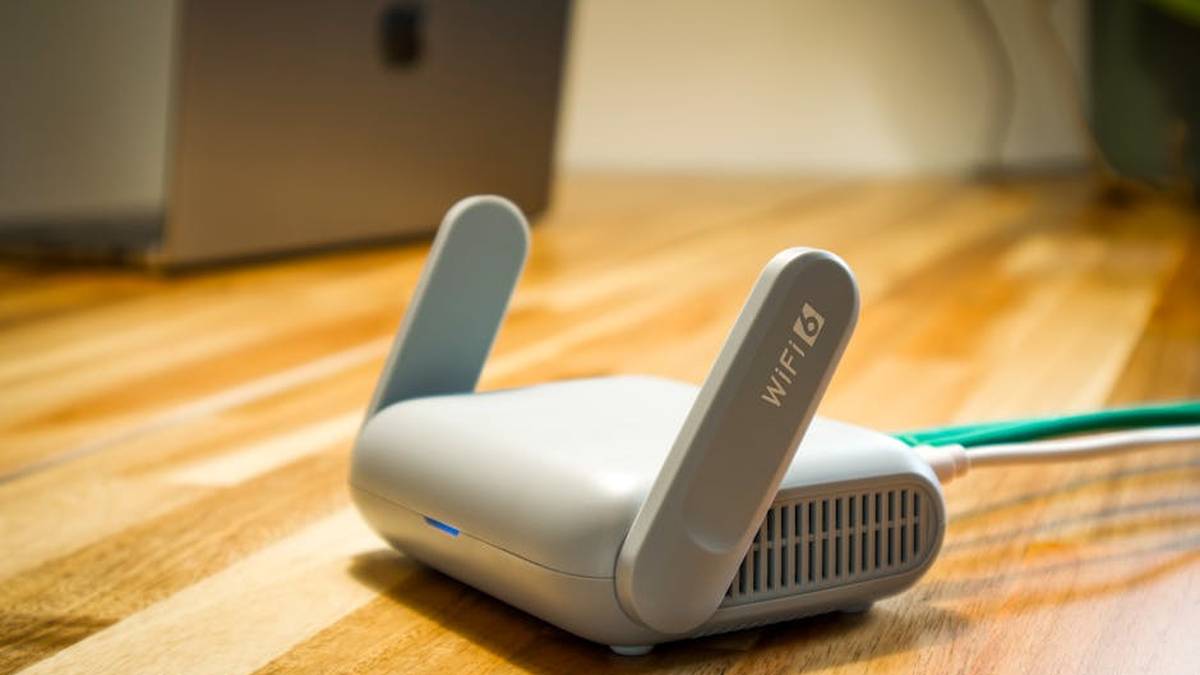
The relentless pace of wireless technology innovation brings us to Wi-Fi 7, officially known as 802.11be Extremely High Throughput (EHT). With manufacturers rolling out new routers boasting unprecedented speeds and efficiencies, a critical question emerges for the smart home enthusiast and tech-savvy homeowner: is an upgrade to Wi-Fi 7 a strategic investment, or an premature expenditure? This analysis delves into the technical specifications, real-world implications, and market dynamics to provide a data-driven perspective on the utility of Wi-Fi 7 for your evolving smart home ecosystem.
Product Overview: Understanding Wi-Fi 7’s Technological Leap
Wi-Fi 7 is engineered to push the boundaries of wireless communication, primarily focusing on maximizing throughput, minimizing latency, and enhancing reliability. While its headline features often revolve around multi-gigabit speeds for demanding applications like 8K streaming or VR/AR, its underlying architectural improvements hold significant, albeit sometimes subtle, benefits for densely populated smart home networks. This new standard builds upon the foundations of Wi-Fi 6/6E, introducing several key enhancements designed to handle the increasing complexity and density of modern wireless environments.
Key Features of Wi-Fi 7 for Smart Home Networks
While raw speed is impressive, the true value of Wi-Fi 7 for smart homes lies in its efficiency and reliability enhancements:
- Multi-Link Operation (MLO): Enables devices to send and receive data simultaneously over multiple frequency bands (2.4 GHz, 5 GHz, and 6 GHz). This can dramatically reduce latency and improve reliability by aggregating bandwidth or performing dynamic link switching, especially in congested environments, crucial for real-time smart home applications.
- 320 MHz Channels: Doubles the channel width available in the 6 GHz band compared to Wi-Fi 6E. While less directly impactful for low-bandwidth smart devices, this provides immense capacity for the network as a whole, ensuring high-bandwidth activities (e.g., 4K/8K security camera streams) don’t congest channels needed by other smart devices.
- 4096-QAM (Quadrature Amplitude Modulation): Packs more data into each signal, increasing theoretical peak throughput by 20% over Wi-Fi 6’s 1024-QAM. This higher data density means more efficient use of available airtime for compatible devices, potentially freeing up bandwidth for other smart home traffic.
- Preamble Puncturing: Allows devices to ‘puncture’ or selectively ignore portions of a wide channel that are being used by other devices, thus utilizing the remaining parts of the channel for efficient data transmission. This significantly improves spectrum utilization and reduces interference, making the network more robust in crowded wireless environments.
- Enhanced OFDMA (Orthogonal Frequency-Division Multiple Access): Further refines the ability to efficiently share spectrum among multiple devices, crucial for dense IoT environments where many devices transmit small packets of data.
Comparative Analysis: Wi-Fi 7 vs. Previous Generations
To contextualize the upgrade decision, let’s examine how Wi-Fi 7 routers stack up against their predecessors, focusing on attributes relevant to smart home performance. We’ll consider two hypothetical, but representative, high-end Wi-Fi 7 routers for illustrative purposes, alongside a typical Wi-Fi 6E system.
| Feature | Typical Wi-Fi 6E Router | High-End Wi-Fi 7 Router (e.g., “ApexNet 7000”) | Premium Wi-Fi 7 Router (e.g., “QuantumLink 7000 Pro”) |
|---|---|---|---|
| Standard | 802.11ax (Wi-Fi 6E) | 802.11be (Wi-Fi 7) | 802.11be (Wi-Fi 7) |
| Max Theoretical Speed | ~11 Gbps (Tri-band) | ~19 Gbps (Tri-band) | ~27 Gbps (Quad-band/Multi-link optimized) |
| Bands Supported | 2.4GHz, 5GHz, 6GHz | 2.4GHz, 5GHz, 6GHz | 2.4GHz, 5GHz, 6GHz (often 2x 5GHz or optimized 6GHz for MLO) |
| Max Channel Bandwidth | 20/40/80/160 MHz | 20/40/80/160/320 MHz | 20/40/80/160/320 MHz |
| Modulation Scheme | 1024-QAM | 4096-QAM | 4096-QAM |
| Multi-Link Operation (MLO) | No | Yes (Basic implementation) | Yes (Advanced, optimized for diverse client types) |
| Preamble Puncturing | No | Yes | Yes |
| Ethernet Ports | 1x 2.5GbE WAN, 4x 1GbE LAN | 1x 10GbE WAN, 1x 2.5GbE WAN/LAN, 4x 2.5GbE LAN | 2x 10GbE WAN/LAN, 4x 2.5GbE LAN |
| USB Ports | 1x USB 3.0 | 2x USB 3.0 (Type A & C) | 2x USB 3.0 (Type A & C) |
| Smart Home Integration | Basic Router Apps | Advanced Router Apps, potential for Matter/Thread border router capabilities (firmware dependent) | Advanced Router Apps, integrated Matter/Thread/Zigbee hub (model dependent) |
| Price Range (USD) | $200 – $400 | $400 – $700+ | $700 – $1200+ |
Pros of Upgrading to Wi-Fi 7 for Your Smart Home
- Superior Performance for Demanding Clients: While not all smart devices will benefit immediately, any high-bandwidth clients like IP cameras (especially 4K/8K), NAS devices, or gaming consoles will see significant throughput and latency improvements.
- Enhanced Network Resiliency: MLO and Preamble Puncturing contribute to a more robust and reliable network, reducing dropped connections and improving responsiveness for all connected devices by better managing interference and congestion.
- Increased Device Capacity and Efficiency: Effectively handles a larger number of simultaneous smart home devices without performance degradation, ideal for expanding ecosystems with numerous IoT sensors and gadgets.
- Future-Proofing: Investing in Wi-Fi 7 prepares your network for the next generation of smart home devices and applications that will inevitably demand more bandwidth and lower latency.
- Improved Backhaul for Mesh Systems: If you utilize a mesh Wi-Fi system, Wi-Fi 7’s capabilities can provide a faster, more stable wireless backhaul between nodes, improving overall mesh performance across larger homes.
Cons of Upgrading to Wi-Fi 7 for Your Smart Home
- High Initial Cost: Wi-Fi 7 routers currently command premium prices, often exceeding $400, with top-tier models well over $700-$1000. This represents a significant investment.
- Limited Client Device Support: The vast majority of existing smart home devices (sensors, bulbs, switches) operate on Wi-Fi 4, 5, or 6 standards and cannot leverage Wi-Fi 7’s advanced features. You need Wi-Fi 7-compatible client devices to fully benefit.
- Overkill for Most Current Smart Home Needs: The typical bandwidth requirements for smart home devices are minimal (e.g., a smart bulb sends bytes, not gigabytes). Wi-Fi 6 or even Wi-Fi 5 is often more than sufficient for these low-bandwidth applications.
- Potential for Diminishing Returns: Unless you have specific high-bandwidth smart home applications or are building a brand-new, cutting-edge smart home, the performance uplift might not justify the significant investment given current smart device limitations.
- Standardization Still Evolving: While the 802.11be standard has been ratified, real-world implementations can vary, and early firmware might have quirks that require updates.
Who Should Buy a Wi-Fi 7 Router?
- Early Adopters & Tech Enthusiasts: Individuals who want the absolute latest technology and are willing to pay a premium for it, even if client devices are currently scarce.
- Large, Dense Smart Homes: Homes with hundreds of IoT devices, numerous high-resolution cameras, and multiple users simultaneously streaming and gaming will benefit from the increased capacity and efficiency.
- Users Experiencing Network Congestion: If your current Wi-Fi 6/6E network struggles with device density or suffers from significant interference in crowded urban environments, Wi-Fi 7’s MLO and Preamble Puncturing could offer relief.
- Future-Proofing Strategists: Those planning significant smart home expansions in the next 3-5 years and want their network infrastructure to be ready for emerging high-bandwidth IoT applications.
- Power Users with Multi-Gigabit Internet: If you have an internet connection faster than 2.5 Gbps and also have a demanding smart home with local servers and high-bandwidth wireless clients, Wi-Fi 7 makes sense to fully utilize your ISP speed.
Who Should Avoid a Wi-Fi 7 Router?
- Budget-Conscious Consumers: The cost-to-benefit ratio is currently unfavorable for typical smart home users. More affordable and mature Wi-Fi 6/6E options provide excellent value.
- Users with Basic Smart Home Setups: If you only have a handful of smart lights, a thermostat, and a smart speaker, Wi-Fi 7 offers no tangible advantage over Wi-Fi 6/6E that would justify the cost.
- Existing Satisfied Wi-Fi 6/6E Users: If your current network performs well without latency issues or slowdowns, an upgrade is unlikely to yield noticeable improvements for your smart home devices.
- Those Without Wi-Fi 7 Client Devices: Without Wi-Fi 7-compatible smartphones, laptops, or smart devices (which are still rare), the advanced features of the router cannot be fully utilized, making the upgrade largely moot for direct device benefits.
Pricing Insight: A Premium for Early Adoption
As of late 2023 and early 2024, Wi-Fi 7 routers are positioned firmly in the premium segment. Entry-level models typically start around $400-$500, with high-performance units from major brands like TP-Link, ASUS, and NETGEAR ranging from $700 up to $1200 or more. This pricing reflects the cutting-edge technology, limited production scale, and the costs associated with integrating advanced chipsets and multiple multi-gigabit Ethernet ports. Expect prices to gradually decline as the technology matures and adoption increases, likely becoming more accessible in the 2025-2026 timeframe.
Alternatives to Wi-Fi 7
- Wi-Fi 6/6E Routers: For the vast majority of smart homes, a high-quality Wi-Fi 6 or Wi-Fi 6E router offers excellent performance, better value, and broad client compatibility. Wi-Fi 6E, in particular, leverages the uncongested 6 GHz band for low-latency connections for compatible devices, which is highly beneficial for some smart home applications.
- Mesh Wi-Fi 6/6E Systems: For larger homes or those with dead spots, a mesh system based on Wi-Fi 6 or 6E provides superior coverage and reliable performance at a fraction of the cost of a single high-end Wi-Fi 7 router, ensuring consistent signal strength throughout your property.
- Wired Ethernet Backbones: For stationary high-bandwidth devices (e.g., smart home hubs, NVRs for security cameras, media servers), a wired connection remains the gold standard for reliability and speed, complementing any wireless network by offloading critical traffic.
Buying Guide: If You Decide to Upgrade
If, after careful consideration, you determine that Wi-Fi 7 is indeed the right move for your smart home, here are key factors to consider:
- Client Device Ecosystem: Assess your current and planned smart devices. Are there any future Wi-Fi 7 compatible devices you intend to purchase within the router’s lifecycle? The benefits are maximized with compatible clients.
- Ethernet Port Configuration: Look for ample multi-gigabit (2.5 GbE, 10 GbE) WAN and LAN ports to support high-speed internet and local network storage/servers, ensuring you can fully utilize the wireless speeds.
- Mesh Compatibility: If you have a large home, investigate if the Wi-Fi 7 router supports a mesh system from the same manufacturer for seamless expansion and whole-home coverage.
- Advanced Features Implementation: Confirm the router fully implements MLO, 4096-QAM, and Preamble Puncturing. Some early models might have varying levels of implementation, impacting real-world performance.
- Security and Management Features: Prioritize routers with robust security protocols (WPA3), comprehensive parental controls, network segmentation capabilities (e.g., IoT VLANs), and user-friendly device management via a dedicated app.
- Brand Reputation and Support: Choose reputable manufacturers known for reliable firmware updates, strong security patches, and responsive customer support, which are crucial for long-term satisfaction with cutting-edge tech.
Conclusion: A Niche, Forward-Looking Investment
The question of whether to upgrade to a Wi-Fi 7 router for your smart home network is complex, and the answer, for most users, is ‘not yet’. While Wi-Fi 7 introduces compelling technological advancements that promise unparalleled speed, efficiency, and resilience, its current high cost and the scarcity of compatible client devices make it a niche investment.
For the average smart home with typical IoT devices, a well-implemented Wi-Fi 6 or Wi-Fi 6E network provides more than adequate performance at a significantly lower price point. The true benefits of Wi-Fi 7 – particularly its latency reduction and enhanced capacity – are currently most relevant to power users, early adopters, and those building extremely dense, high-bandwidth smart home ecosystems that anticipate future demands. Smart Thermostats with Geofencing for
In essence, Wi-Fi 7 is a powerful technology looking for its widespread application. For now, it represents a strong investment in future-proofing, but for immediate, tangible smart home improvements, re-evaluating your current Wi-Fi 6/6E setup or considering a quality mesh system will likely yield better value and more immediate returns. Entry-Level Mirrorless Cameras for Vlogging:
Disclaimer: This article provides general information and analysis based on current technological understanding and market trends. Specifications, pricing, and availability of products are subject to change without notice. Individual network performance will vary based on environmental factors, client devices, and internet service provider. No guarantees are made regarding specific outcomes or product performance. Consumers should conduct their own research and consider their individual needs before making a purchasing decision. Tableau vs. Power BI: Data
Related Articles
- Smart Thermostats with Geofencing for Energy Savings in US Homes
- Entry-Level Mirrorless Cameras for Vlogging: Image Stabilization and Audio Focus
- Tableau vs. Power BI: Data Visualization Tools for US Business Analysts.
- QuickBooks Payroll vs. ADP Payroll: Which Service Best Suits US Small Businesses?
- Top Thunderbolt 4 External SSD Enclosures for Mac and PC
Will my existing Wi-Fi 6 or older smart home devices actually benefit from a Wi-Fi 7 router, or do I need new Wi-Fi 7 compatible gadgets to see any real improvement?
While Wi-Fi 7 routers are fully backward compatible with all your current Wi-Fi 6, Wi-Fi 5, and older smart home devices, the full performance benefits like extremely low latency and multi-gigabit speeds will only be realized when you connect Wi-Fi 7 compatible devices. Your older devices may experience marginal improvements due to a generally more efficient and less congested network, but don’t expect a transformative upgrade for them specifically. Consider an upgrade if you plan to acquire new Wi-Fi 7 devices or have a particularly congested smart home network.
What specific performance enhancements will a Wi-Fi 7 router bring to my smart home network, especially for high-bandwidth activities or managing a large number of connected devices?
A Wi-Fi 7 router can significantly enhance your smart home, particularly if you have many devices or high-bandwidth needs. You’ll see improvements in capacity (more devices connected without slowdowns), speed (quicker data transfers for backups, 8K streaming to smart TVs), and crucial for smart homes, reduced latency. This means more responsive smart lights, instant feedback from security cameras, and more reliable voice assistant commands, even when multiple devices are active simultaneously. If your current network struggles with congestion or response times, Wi-Fi 7 offers a robust solution.
Considering the investment, is now the right time to upgrade to a Wi-Fi 7 router for future-proofing my smart home, or should I wait for prices to drop and more Wi-Fi 7 enabled devices to become mainstream?
The decision to invest in Wi-Fi 7 now depends on your current needs and future plans. Upgrading now will undoubtedly future-proof your network infrastructure for years to come, ensuring you’re ready for the next generation of smart home devices that will leverage Wi-Fi 7’s capabilities. However, as with any new technology, initial prices are higher, and the ecosystem of Wi-Fi 7 client devices is still emerging. If you’re building a new smart home, experiencing significant network issues, or are an early adopter eager for the latest tech, an upgrade is worthwhile. If your current Wi-Fi 6 setup meets your needs, waiting a year or two could see lower prices and a wider selection of compatible devices.
I have a moderately sized smart home with typical devices like smart lights, a few security cameras, and a smart speaker. Am I likely to notice a significant difference by upgrading to Wi-Fi 7, or would it be overkill for my current setup?
For a moderately sized smart home with typical devices, a well-configured Wi-Fi 6 router often provides ample performance. You might not experience a dramatic, “night and day” difference with Wi-Fi 7 unless you are currently facing specific issues like extreme network congestion, latency spikes with critical devices, or plan to introduce very high-bandwidth Wi-Fi 7 enabled devices like 8K VR headsets or next-gen gaming consoles. If your primary goal is to ensure long-term stability and capacity for future expansion, or if your current network is consistently underperforming, then Wi-Fi 7 could be a beneficial, though perhaps not immediately essential, upgrade.