



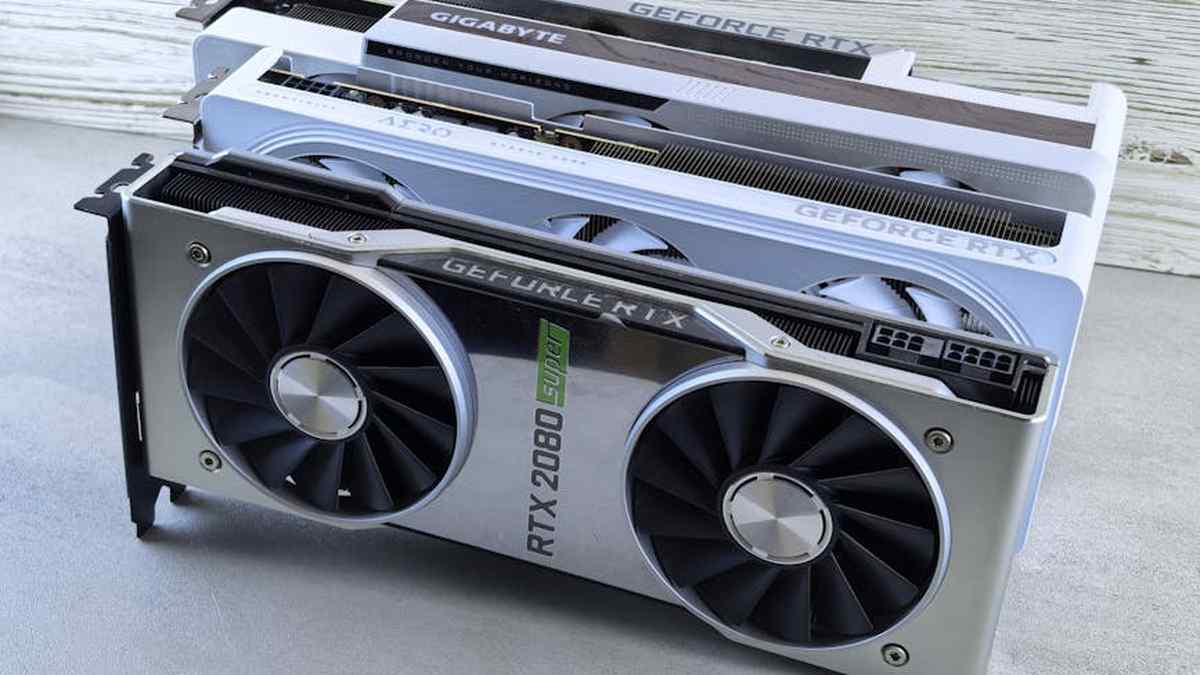
The 1440p Sweet Spot: Maximizing Your Gaming Investment
Alright, let’s talk business. In the world of PC gaming, 1440p resolution has become the undeniable sweet spot for many. It offers a significant visual upgrade over 1080p without the sky-high hardware demands of 4K. For the savvy gamer looking to build a formidable machine, or simply upgrade, the question isn’t just “which GPU is fastest?” but rather, “which GPU offers the best return on investment for 1440p gaming in the current US market?” Today, we’re putting two heavyweights in the ring: NVIDIA’s GeForce RTX 4070 SUPER and AMD’s Radeon RX 7800 XT. Our goal is to dissect their capabilities, pricing, and overall value proposition so you can make an informed decision for your entertainment portfolio.
The Contenders: A Quick Look
Before we dive deep, here’s a snapshot of what these two cards bring to the table.
| Feature | NVIDIA GeForce RTX 4070 SUPER | AMD Radeon RX 7800 XT |
|---|---|---|
| Architecture | Ada Lovelace | RDNA 3 |
| CUDA Cores / Stream Processors | 7168 CUDA Cores | 3840 Stream Processors |
| VRAM | 12GB GDDR6X | 16GB GDDR6 |
| Memory Bus | 192-bit | 256-bit |
| TDP / TBP (Typical Board Power) | 220W | 263W |
| Ray Tracing Performance | Excellent (3rd Gen RT Cores) | Good (2nd Gen RT Accelerators) |
| Rasterization Performance | Very Good | Excellent |
| Upscaling Technology | DLSS 3 (Frame Generation) | FSR 3 (Fluid Motion Frames) |
| Approx. USA Price (MSRP / Street) | $599 – $650+ | $499 – $550+ |
Product Overview
NVIDIA GeForce RTX 4070 SUPER
The RTX 4070 SUPER is NVIDIA’s mid-cycle refresh, positioned to offer a substantial performance uplift over the original 4070 without encroaching too much on the 4070 Ti SUPER. Built on the highly efficient Ada Lovelace architecture, it’s designed to deliver strong 1440p performance, especially excelling in scenarios where Ray Tracing and DLSS 3 (including Frame Generation) are leveraged. It’s a premium offering that prioritizes efficiency and a feature-rich ecosystem.
AMD Radeon RX 7800 XT
AMD’s Radeon RX 7800 XT is RDNA 3 at its prime for the 1440p segment. This card was explicitly designed to be a strong competitor in this exact performance tier, often trading blows with NVIDIA’s offerings, particularly in traditional rasterization. It comes with a generous 16GB of VRAM and a wider memory bus, which can be a significant selling point for gamers concerned about future-proofing and high-resolution texture packs. AMD positions this as a raw power play at a competitive price point.
Key Features: Where the Rubber Meets the Road
NVIDIA GeForce RTX 4070 SUPER
- DLSS 3 with Frame Generation: This is NVIDIA’s ace in the hole. Frame Generation effectively creates new frames, significantly boosting perceived FPS in supported titles. A game-changer for hitting high refresh rates at 1440p.
- Superior Ray Tracing: NVIDIA has consistently led in Ray Tracing performance, and the 4070 SUPER continues this trend, offering a more immersive and visually stunning experience in RT-heavy games.
- Power Efficiency: Ada Lovelace architecture is incredibly power-efficient, leading to lower electricity bills and potentially quieter systems with less heat output.
- NVENC Encoder: For streamers and content creators, NVIDIA’s dedicated NVENC encoder offers top-tier video encoding quality with minimal performance impact.
AMD Radeon RX 7800 XT
- Generous 16GB VRAM: With games increasingly demanding more video memory, the 7800 XT’s 16GB of GDDR6 provides excellent future-proofing and peace of mind for high-resolution texture packs or modding.
- Strong Rasterization Performance: In games without Ray Tracing or with RT disabled, the 7800 XT often matches or even slightly surpasses the 4070 SUPER in raw frame rates, offering excellent performance per dollar.
- FSR 3 with Fluid Motion Frames: AMD’s answer to DLSS. While adoption is still growing, FSR 3 can also boost frame rates, and its open-source nature means wider compatibility.
- Competitive Pricing: AMD consistently aims for a strong price-to-performance ratio, making the 7800 XT a very attractive option for budget-conscious gamers.
Pros and Cons: The Business Case for Each
NVIDIA GeForce RTX 4070 SUPER
Pros:
- Exceptional Ray Tracing performance, delivering a more cinematic look.
- DLSS 3 with Frame Generation offers significant FPS boosts in supported titles, often turning “playable” into “silky smooth.”
- Class-leading power efficiency, reducing long-term operating costs.
- Robust ecosystem for creators and streamers with NVENC.
- Generally stable driver support and broad game optimization.
Cons:
- Higher price point, requiring a larger initial investment.
- 12GB VRAM might be a concern for some ultra-enthusiasts looking to push texture quality in future titles at 1440p (though generally sufficient for now).
- Raw rasterization performance can sometimes lag slightly behind the 7800 XT at similar price points.
AMD Radeon RX 7800 XT
Pros:
- Outstanding raw rasterization performance per dollar, often leading in traditional gaming scenarios.
- 16GB of VRAM provides excellent future-proofing and handles demanding textures with ease.
- More aggressive pricing, offering a compelling value proposition.
- Strong performance in DirectX 12 and Vulkan titles.
Cons:
- Ray Tracing performance, while improved, still trails NVIDIA’s offerings.
- FSR 3 adoption and maturity are not yet on par with DLSS 3, particularly for Frame Generation.
- Higher power consumption, translating to higher electricity bills and potentially more heat/noise.
- NVENC encoder generally preferred over AMD’s equivalent for dedicated streaming.
Who Should Buy Each Card? Making the Right Investment
NVIDIA GeForce RTX 4070 SUPER: For the Strategic Investor
- Ray Tracing Enthusiasts: If you crave the most realistic lighting, reflections, and shadows, the 4070 SUPER is your clear choice.
- Frame Rate Chasers with DLSS 3: If your priority is pushing high refresh rates in the latest AAA games and you’re comfortable relying on DLSS 3 with Frame Generation, this card delivers.
- Streamers & Content Creators: The NVENC encoder is a significant advantage for maintaining high-quality streams and video exports without sacrificing gaming performance.
- Efficiency-Minded Users: Lower power draw means less heat, quieter systems, and lower running costs over the lifespan of the card.
- Those who prefer NVIDIA’s established ecosystem: If you value stability, broad game optimization, and features like Reflex for latency reduction.
AMD Radeon RX 7800 XT: For the Value-Focused Entrepreneur
- Pure Rasterization Performance: If you primarily play games without Ray Tracing or prefer to disable it for maximum raw FPS, the 7800 XT offers incredible value.
- VRAM Longevity Seekers: The 16GB of VRAM provides excellent future-proofing for upcoming titles that might demand more memory at 1440p and beyond.
- Budget-Conscious Gamers: With its often lower price tag, the 7800 XT allows you to allocate more of your budget to other components or games.
- Gamers who embrace FSR: If you’re comfortable with AMD’s FSR technology for upscaling and frame generation, and its open-source nature appeals to you.
- Those building a balanced, high-performance 1440p rig: Where every dollar for raw gaming horsepower counts.
Who Should Avoid? Knowing Your Risk Tolerance
NVIDIA GeForce RTX 4070 SUPER
- Strict Budgeters: If stretching your dollar for raw frames is the absolute priority and you can’t justify the ~$100+ premium.
- VRAM-Obsessed Users: While 12GB is currently sufficient, if you’re irrationally worried about future VRAM limitations for specific niche use cases, the 7800 XT’s 16GB might offer more peace of mind.
- Those uninterested in Ray Tracing or DLSS 3: If you plan to ignore these features, you’re paying a premium for capabilities you won’t utilize.
AMD Radeon RX 7800 XT
- Hardcore Ray Tracing Enthusiasts: If top-tier Ray Tracing is a non-negotiable for your gaming experience, you will find the 7800 XT lacking compared to NVIDIA.
- Dedicated Streamers: While capable, AMD’s encoder typically isn’t considered on par with NVIDIA’s NVENC for quality and efficiency during live streaming.
- Power Efficiency Fanatics: The higher TBP means more heat and more electricity consumed, which might be a dealbreaker for some.
- Those who prefer the most mature upscaling technology: DLSS 3 generally has broader support and is seen as more refined in its current iteration.
Pricing Insight in the USA: The Bottom Line
This is where the rubber truly meets the road. In the USA, the NVIDIA RTX 4070 SUPER typically carries an MSRP of $599, though custom models can range up to $650 or more. The AMD RX 7800 XT, on the other hand, usually starts at an MSRP of $499, with custom models hovering around the $500-$550 mark. This crucial $100-$150 price delta is where the value proposition truly differentiates these cards.
The 7800 XT frequently offers superior raw rasterization performance per dollar. You get a lot of traditional FPS for your investment. The 4070 SUPER, while more expensive, justifies its premium by offering better Ray Tracing, the advanced DLSS 3 (Frame Generation), and superior power efficiency. Essentially, you’re paying a bit more for a feature set that elevates the overall gaming experience in specific scenarios.
Alternatives: Other Investment Opportunities
If neither of these cards perfectly fits your portfolio, consider these alternatives:
- Step Up: NVIDIA RTX 4070 Ti SUPER (better RT, more VRAM, higher price) or AMD RX 7900 XT (more raw power, higher price).
- Step Down: NVIDIA RTX 4060 Ti (less powerful, but more affordable) or AMD RX 7700 XT (a good value step-down for 1440p medium/high settings).
- Used Market: Cards like the RTX 3070 Ti, RTX 3080, or RX 6800 XT can offer compelling value if you’re comfortable with the risks of buying used.
The Buying Guide: Your Due Diligence Checklist
- Define Your Priorities: Are you a Ray Tracing fanatic, a raw FPS purist, or a content creator? This will heavily sway your decision.
- Check Game Benchmarks: Look up performance comparisons specifically for the games you play most.
- Monitor Resolution & Refresh Rate: Ensure your GPU can drive your monitor effectively. Both are excellent for 1440p, but higher refresh rates might push one over the other in certain titles.
- Power Supply Unit (PSU): Verify your PSU has enough wattage and the correct connectors. The 7800 XT’s higher TBP needs a bit more headroom.
- Look for Sales & Bundles: GPU prices fluctuate, and bundles with games can sweeten the deal.
- Consider Your Entire System: Don’t bottleneck your new GPU with an outdated CPU or insufficient RAM.
Conclusion: Your Strategic Play for 1440p Value
Ultimately, there’s no single “winner” in this head-to-head. It’s about which card aligns best with your specific gaming philosophy and budget. The NVIDIA GeForce RTX 4070 SUPER is for the gamer who values cutting-edge features like DLSS 3 Frame Generation, superior Ray Tracing performance, and excellent power efficiency – essentially, a premium, future-forward experience. It’s a strategic investment in an advanced feature set.
The AMD Radeon RX 7800 XT, on the other hand, is the champion of raw, unadulterated rasterization performance per dollar, coupled with a generous VRAM buffer for future-proofing. It’s the practical choice for those who want the most traditional frames for their money and are less concerned with NVIDIA’s ecosystem advantages.
Review your budget, consider your gaming habits, and weigh the pros and cons presented. Either way, for 1440p gaming in the USA, both GPUs offer a tremendous experience. Make an informed decision, and happy gaming!
No Guarantees: Please note that pricing, driver performance, game optimizations, and hardware availability can change rapidly. This review reflects general market conditions and performance trends at the time of writing. Always do your own research before making a significant purchase.
The 1440p Sweet Spot: Maximizing Your Gaming Investment
Alright, let’s talk business. In the world of PC gaming, 1440p resolution has become the undeniable sweet spot for many. It offers a significant visual upgrade over 1080p without the sky-high hardware demands of 4K. For the savvy gamer looking to build a formidable machine, or simply upgrade, the question isn’t just “which GPU is fastest?” but rather, “which GPU offers the best return on investment for 1440p gaming in the current US market?” Today, we’re putting two heavyweights in the ring: NVIDIA’s GeForce RTX 4070 SUPER and AMD’s Radeon RX 7800 XT. Our goal is to dissect their capabilities, pricing, and overall value proposition so you can make an informed decision for your entertainment portfolio.
The Contenders: A Quick Look
Before we dive deep, here’s a snapshot of what these two cards bring to the table.
| Feature | NVIDIA GeForce RTX 4070 SUPER | AMD Radeon RX 7800 XT |
|---|---|---|
| Architecture | Ada Lovelace | RDNA 3 |
| CUDA Cores / Stream Processors | 7168 CUDA Cores | 3840 Stream Processors |
| VRAM | 12GB GDDR6X | 16GB GDDR6 |
| Memory Bus | 192-bit | 256-bit |
| TDP / TBP (Typical Board Power) | 220W | 263W |
| Ray Tracing Performance | Excellent (3rd Gen RT Cores) | Good (2nd Gen RT Accelerators) |
| Rasterization Performance | Very Good | Excellent |
| Upscaling Technology | DLSS 3 (Frame Generation) | FSR 3 (Fluid Motion Frames) |
| Approx. USA Price (MSRP / Street) | $599 – $650+ | $499 – $550+ |
Product Overview
NVIDIA GeForce RTX 4070 SUPER
The RTX 4070 SUPER is NVIDIA’s mid-cycle refresh, positioned to offer a substantial performance uplift over the original 4070 without encroaching too much on the 4070 Ti SUPER. Built on the highly efficient Ada Lovelace architecture, it’s designed to deliver strong 1440p performance, especially excelling in scenarios where Ray Tracing and DLSS 3 (including Frame Generation) are leveraged. It’s a premium offering that prioritizes efficiency and a feature-rich ecosystem.
AMD Radeon RX 7800 XT
AMD’s Radeon RX 7800 XT is RDNA 3 at its prime for the 1440p segment. This card was explicitly designed to be a strong competitor in this exact performance tier, often trading blows with NVIDIA’s offerings, particularly in traditional rasterization. It comes with a generous 16GB of VRAM and a wider memory bus, which can be a significant selling point for gamers concerned about future-proofing and high-resolution texture packs. AMD positions this as a raw power play at a competitive price point.
Key Features: Where the Rubber Meets the Road
NVIDIA GeForce RTX 4070 SUPER
- DLSS 3 with Frame Generation: This is NVIDIA’s ace in the hole. Frame Generation effectively creates new frames, significantly boosting perceived FPS in supported titles. A game-changer for hitting high refresh rates at 1440p.
- Superior Ray Tracing: NVIDIA has consistently led in Ray Tracing performance, and the 4070 SUPER continues this trend, offering a more immersive and visually stunning experience in RT-heavy games.
- Power Efficiency: Ada Lovelace architecture is incredibly power-efficient, leading to lower electricity bills and potentially quieter systems with less heat output.
- NVENC Encoder: For streamers and content creators, NVIDIA’s dedicated NVENC encoder offers top-tier video encoding quality with minimal performance impact.
AMD Radeon RX 7800 XT
- Generous 16GB VRAM: With games increasingly demanding more video memory, the 7800 XT’s 16GB of GDDR6 provides excellent future-proofing and peace of mind for high-resolution texture packs or modding.
- Strong Rasterization Performance: In games without Ray Tracing or with RT disabled, the 7800 XT often matches or even slightly surpasses the 4070 SUPER in raw frame rates, offering excellent performance per dollar.
- FSR 3 with Fluid Motion Frames: AMD’s answer to DLSS. While adoption is still growing, FSR 3 can also boost frame rates, and its open-source nature means wider compatibility.
- Competitive Pricing: AMD consistently aims for a strong price-to-performance ratio, making the 7800 XT a very attractive option for budget-conscious gamers.
Pros and Cons: The Business Case for Each
NVIDIA GeForce RTX 4070 SUPER
Pros:
- Exceptional Ray Tracing performance, delivering a more cinematic look.
- DLSS 3 with Frame Generation offers significant FPS boosts in supported titles, often turning “playable” into “silky smooth.”
- Class-leading power efficiency, reducing long-term operating costs.
- Robust ecosystem for creators and streamers with NVENC.
- Generally stable driver support and broad game optimization.
Cons:
- Higher price point, requiring a larger initial investment.
- 12GB VRAM might be a concern for some ultra-enthusiasts looking to push texture quality in future titles at 1440p (though generally sufficient for now).
- Raw rasterization performance can sometimes lag slightly behind the 7800 XT at similar price points.
AMD Radeon RX 7800 XT
Pros:
- Outstanding raw rasterization performance per dollar, often leading in traditional gaming scenarios.
- 16GB of VRAM provides excellent future-proofing and handles demanding textures with ease.
- More aggressive pricing, offering a compelling value proposition.
- Strong performance in DirectX 12 and Vulkan titles.
Cons:
- Ray Tracing performance, while improved, still trails NVIDIA’s offerings.
- FSR 3 adoption and maturity are not yet on par with DLSS 3, particularly for Frame Generation.
- Higher power consumption, translating to higher electricity bills and potentially more heat/noise.
- NVENC encoder generally preferred over AMD’s equivalent for dedicated streaming.
Who Should Buy Each Card? Making the Right Investment
NVIDIA GeForce RTX 4070 SUPER: For the Strategic Investor
- Ray Tracing Enthusiasts: If you crave the most realistic lighting, reflections, and shadows, the 4070 SUPER is your clear choice.
- Frame Rate Chasers with DLSS 3: If your priority is pushing high refresh rates in the latest AAA games and you’re comfortable relying on DLSS 3 with Frame Generation, this card delivers.
- Streamers & Content Creators: The NVENC encoder is a significant advantage for maintaining high-quality streams and video exports without sacrificing gaming performance.
- Efficiency-Minded Users: Lower power draw means less heat, quieter systems, and lower running costs over the lifespan of the card.
- Those who prefer NVIDIA’s established ecosystem: If you value stability, broad game optimization, and features like Reflex for latency reduction.
AMD Radeon RX 7800 XT: For the Value-Focused Entrepreneur
- Pure Rasterization Performance: If you primarily play games without Ray Tracing or prefer to disable it for maximum raw FPS, the 7800 XT offers incredible value.
- VRAM Longevity Seekers: The 16GB of VRAM provides excellent future-proofing for upcoming titles that might demand more memory at 1440p and beyond.
- Budget-Conscious Gamers: With its often lower price tag, the 7800 XT allows you to allocate more of your budget to other components or games.
- Gamers who embrace FSR: If you’re comfortable with AMD’s FSR technology for upscaling and frame generation, and its open-source nature appeals to you.
- Those building a balanced, high-performance 1440p rig: Where every dollar for raw gaming horsepower counts.
Who Should Avoid? Knowing Your Risk Tolerance
NVIDIA GeForce RTX 4070 SUPER
- Strict Budgeters: If stretching your dollar for raw frames is the absolute priority and you can’t justify the ~$100+ premium.
- VRAM-Obsessed Users: While 12GB is currently sufficient, if you’re irrationally worried about future VRAM limitations for specific niche use cases, the 7800 XT’s 16GB might offer more peace of mind.
- Those uninterested in Ray Tracing or DLSS 3: If you plan to ignore these features, you’re paying a premium for capabilities you won’t utilize.
AMD Radeon RX 7800 XT
- Hardcore Ray Tracing Enthusiasts: If top-tier Ray Tracing is a non-negotiable for your gaming experience, you will find the 7800 XT lacking compared to NVIDIA.
- Dedicated Streamers: While capable, AMD’s encoder typically isn’t considered on par with NVIDIA’s NVENC for quality and efficiency during live streaming.
- Power Efficiency Fanatics: The higher TBP means more heat and more electricity consumed, which might be a dealbreaker for some.
- Those who prefer the most mature upscaling technology: DLSS 3 generally has broader support and is seen as more refined in its current iteration.
Pricing Insight in the USA: The Bottom Line
This is where the rubber truly meets the road. In the USA, the NVIDIA RTX 4070 SUPER typically carries an MSRP of $599, though custom models can range up to $650 or more. The AMD RX 7800 XT, on the other hand, usually starts at an MSRP of $499, with custom models hovering around the $500-$550 mark. This crucial $100-$150 price delta is where the value proposition truly differentiates these cards.
The 7800 XT frequently offers superior raw rasterization performance per dollar. You get a lot of traditional FPS for your investment. The 4070 SUPER, while more expensive, justifies its premium by offering better Ray Tracing, the advanced DLSS 3 (Frame Generation), and superior power efficiency. Essentially, you’re paying a bit more for a feature set that elevates the overall gaming experience in specific scenarios.
Alternatives: Other Investment Opportunities
If neither of these cards perfectly fits your portfolio, consider these alternatives:
- Step Up: NVIDIA RTX 4070 Ti SUPER (better RT, more VRAM, higher price) or AMD RX 7900 XT (more raw power, higher price).
- Step Down: NVIDIA RTX 4060 Ti (less powerful, but more affordable) or AMD RX 7700 XT (a good value step-down for 1440p medium/high settings).
- Used Market: Cards like the RTX 3070 Ti, RTX 3080, or RX 6800 XT can offer compelling value if you’re comfortable with the risks of buying used.
The Buying Guide: Your Due Diligence Checklist
- Define Your Priorities: Are you a Ray Tracing fanatic, a raw FPS purist, or a content creator? This will heavily sway your decision.
- Check Game Benchmarks: Look up performance comparisons specifically for the games you play most.
- Monitor Resolution & Refresh Rate: Ensure your GPU can drive your monitor effectively. Both are excellent for 1440p, but higher refresh rates might push one over the other in certain titles.
- Power Supply Unit (PSU): Verify your PSU has enough wattage and the correct connectors. The 7800 XT’s higher TBP needs a bit more headroom.
- Look for Sales & Bundles: GPU prices fluctuate, and bundles with games can sweeten the deal.
- Consider Your Entire System: Don’t bottleneck your new GPU with an outdated CPU or insufficient RAM.
Conclusion: Your Strategic Play for 1440p Value
Ultimately, there’s no single “winner” in this head-to-head. It’s about which card aligns best with your specific gaming philosophy and budget. The NVIDIA GeForce RTX 4070 SUPER is for the gamer who values cutting-edge features like DLSS 3 Frame Generation, superior Ray Tracing performance, and excellent power efficiency – essentially, a premium, future-forward experience. It’s a strategic investment in an advanced feature set.
The AMD Radeon RX 7800 XT, on the other hand, is the champion of raw, unadulterated rasterization performance per dollar, coupled with a generous VRAM buffer for future-proofing. It’s the practical choice for those who want the most traditional frames for their money and are less concerned with NVIDIA’s ecosystem advantages.
Review your budget, consider your gaming habits, and weigh the pros and cons presented. Either way, for 1440p gaming in the USA, both GPUs offer a tremendous experience. Make an informed decision, and happy gaming!
No Guarantees: Please note that pricing, driver performance, game optimizations, and hardware availability can change rapidly. This review reflects general market conditions and performance trends at the time of writing. Always do your own research before making a significant purchase.
For gamers prioritizing raw 1440p frame rates per dollar in the USA, which GPU generally offers a better return on investment?
Generally, the AMD Radeon RX 7800 XT often provides a stronger value proposition in terms of raw rasterization performance per dollar at 1440p, especially in games that don’t heavily utilize ray tracing. It frequently edges out the RTX 4070 SUPER in traditional gaming benchmarks at similar price points. However, if you factor in NVIDIA’s DLSS 3 with Frame Generation, the RTX 4070 SUPER can significantly boost effective frame rates and potentially close, or even surpass, the 7800 XT’s value in DLSS-supported titles. Your decision here hinges on whether raw raster performance is paramount or if you value the frame-boosting potential of DLSS in supported games.
How do ray tracing performance and the quality of upscaling technologies (DLSS 3 vs. FSR 3) differentiate these cards, and which is more valuable for a premium 1440p experience?
The NVIDIA GeForce RTX 4070 SUPER holds a clear advantage in ray tracing performance. If experiencing games with realistic lighting and reflections is a high priority for your 1440p gaming, the 4070 SUPER will deliver a significantly smoother experience. Regarding upscaling, NVIDIA’s DLSS 3, particularly with its Frame Generation technology, generally offers superior image quality and a more substantial performance uplift compared to AMD’s FSR 3. While FSR 3 is open-source and compatible with more cards, DLSS 3 typically provides a more refined visual experience. For a “premium” 1440p experience that includes high-fidelity ray tracing and best-in-class upscaling, the RTX 4070 SUPER is the stronger contender, albeit potentially at a higher effective cost if DLSS isn’t utilized.
Considering the long-term value and future-proofing for 1440p gaming, is the VRAM capacity difference between the RTX 4070 SUPER (12GB) and RX 7800 XT (16GB) a critical factor for my purchase decision?
Yes, the VRAM capacity difference can be a critical factor for long-term value, especially as games become more demanding. The AMD Radeon RX 7800 XT comes with a generous 16GB of GDDR6 VRAM, which offers a considerable buffer for high-resolution textures and complex scenes at 1440p, particularly in future titles. The NVIDIA RTX 4070 SUPER’s 12GB of VRAM is generally sufficient for most current 1440p games, but there are already some titles where it approaches or exceeds its VRAM limit, potentially leading to performance stuttering or lower texture settings. If you plan to keep your GPU for several years and want to maximize texture quality in the most graphically intensive future games at 1440p, the RX 7800 XT’s larger VRAM pool offers a stronger degree of future-proofing.
Beyond pure gaming performance, what unique ecosystem advantages or software features from NVIDIA and AMD should I weigh when making my final choice for a 1440p gaming rig in the USA?
NVIDIA offers several ecosystem advantages that might sway your decision. Their NVENC encoder is widely regarded as superior for streaming and content creation, providing excellent quality with minimal performance impact. NVIDIA Broadcast offers AI-powered features like noise removal and virtual backgrounds. Their Studio Drivers are optimized for professional applications. AMD’s Adrenalin Software suite, on the other hand, provides robust gaming features such as Anti-Lag+, Radeon Boost, and HYPR-RX, which aims to optimize multiple settings with a single click. For gamers who also stream professionally or engage in content creation, NVIDIA’s broader ecosystem tools can offer significant value. For a pure gamer focused on in-game optimizations and a feature-rich control panel, AMD’s offerings are very compelling.