




Deconstructing Homeowners Insurance Claim Denials: A Peril-Specific Analytical Review
The landscape of homeowners insurance claims is inherently complex, characterized by a confluence of policy language, property characteristics, environmental factors, and human interaction. A critical aspect of this complexity lies in understanding the dynamics of claim denials, particularly when disaggregated by specific perils. While aggregated statistics offer a macro view, a granular, peril-specific analysis reveals nuanced patterns, causal factors, and strategic implications for both insurers and policyholders. This analysis delves into the differential denial rates and underlying mechanisms for frequently encountered perils such as water damage versus fire damage, framed from a data-driven, analytical perspective.
The Data Landscape: Challenges in Granular Analysis
Before dissecting peril-specific trends, it is imperative to acknowledge the significant hurdles in acquiring and interpreting the requisite data. Publicly available, standardized data on claim denial rates, broken down by specific peril and across a diverse range of insurers, is notably scarce. Insurers typically maintain such detailed metrics as proprietary information, and regulatory reporting often aggregates data to broader categories, obscuring the granular insights necessary for a precise, comparative analysis.
Data Scarcity and Aggregation
Regulatory bodies, such as state Departments of Insurance, collect claims data, but these often focus on overall complaint ratios or broad loss categories rather than detailed denial reasons per peril. This aggregation means that while we might know the total number of water damage claims filed, deriving an accurate, industry-wide denial rate for “burst pipe” versus “sewer backup” within that category is challenging without direct access to insurer-specific databases. The primary limitation stems from the lack of a universal, detailed coding standard for denial reasons that is publicly disseminated.
Defining “Denial”: A Semantic Nuance
Furthermore, the very definition of a “denial” can be multifaceted. It’s not always a clear-cut binary outcome. A claim might be:
- Fully Denied: No coverage for the peril, cause, or circumstance.
- Partially Denied: Portions of the claim are covered, but others are excluded (e.g., structure covered, but specific contents are not, or only a portion of the damage is deemed covered).
- Denied Due to Insufficient Proof: The claim is valid but lacks adequate documentation to substantiate the loss.
- Withdrawn by Policyholder: Not a denial by the insurer, but often a result of initial assessment indicating likely denial or very low payout.
For the purpose of this analysis, we primarily focus on instances where the insurer formally refuses to cover all or part of a loss based on policy terms, exclusions, or investigative findings. Identity theft protection insurance: what
Peril-Specific Denial Tendencies: A Comparative Analysis
Despite data limitations, general patterns and underlying logical frameworks suggest differential denial tendencies between perils like water damage and fire damage. These tendencies are rooted in the nature of the peril itself, common policy language, and the typical investigative paths.
Water Damage Claims: High Frequency, Nuanced Denials
Water damage claims represent a substantial portion of homeowners insurance payouts and often exhibit a higher propensity for denial or partial denial compared to some other perils. This is primarily due to the diverse origins of water damage and specific exclusions common in standard policies.
- Common Denial Triggers:
- Gradual vs. Sudden: Policies typically cover “sudden and accidental” direct physical loss. Gradual leaks, seepage, or continuous escape of water are frequently excluded, often categorized as maintenance issues.
Example: A sudden burst pipe behind a wall (covered) versus a slow, long-term drip from an old shower pan that gradually rots the subfloor (likely denied as a maintenance issue). How a small business owner
- Maintenance Neglect: Damage resulting from a lack of proper home maintenance (e.g., clogged gutters leading to roof leaks, unsealed windows) is a common exclusion.
- Mold and Fungi Exclusions: Many policies have specific, often restrictive, sub-limits or outright exclusions for mold damage, particularly if it’s not directly caused by a sudden, covered peril and reported promptly.
- External Water Events: Flood (from rising bodies of water), sewer backup, and sump pump failures are typically excluded from standard homeowners policies and require separate endorsements or a dedicated flood insurance policy.
Example: Water damage from a heavy rainstorm overflowing a river into the basement (flood, denied) versus a tree falling on the roof causing a hole through which rain enters (covered under wind/hail/falling objects). Comparing pet insurance plans: accident-only
- Gradual vs. Sudden: Policies typically cover “sudden and accidental” direct physical loss. Gradual leaks, seepage, or continuous escape of water are frequently excluded, often categorized as maintenance issues.
- Analytical Observation: The “preventability” and “causality” factors are highly scrutinized in water damage claims. Insurers often look for evidence of long-term neglect, pre-existing conditions, or circumstances that would typically fall under a separate policy (like flood insurance). The ambiguity inherent in distinguishing “sudden” from “gradual” often leads to investigative disputes.
Fire Damage Claims: Lower Frequency, High Severity, Different Denial Profiles
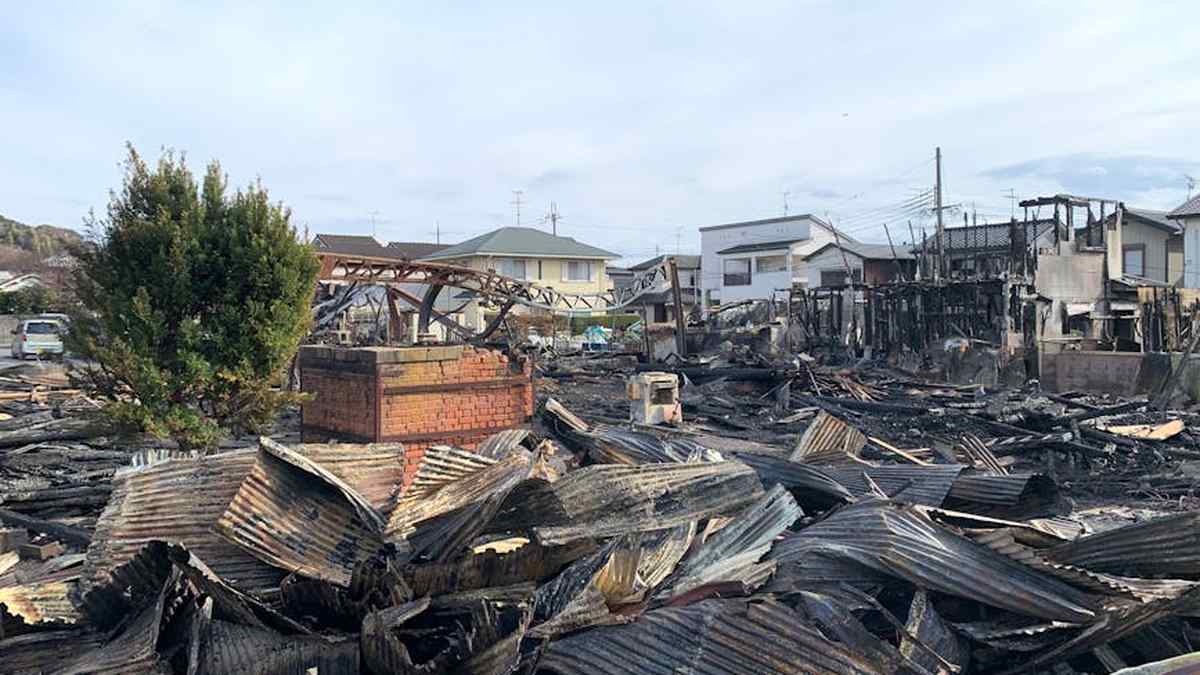
Fire damage claims, while generally less frequent than water damage, are typically high-severity events. The denial profile for fire is often distinct, focusing more on the origin of the fire, policy adherence, and potential criminal intent.
- Common Denial Triggers:
- Arson or Intentional Acts: Fires intentionally set by the policyholder or an accomplice are almost universally excluded. These claims trigger intensive forensic investigations.
- Misrepresentation or Fraud: False statements during the claim process, misrepresentation of facts about the fire’s origin, or inflated damage estimates can lead to denial.
- Policy Violations: Failure to disclose significant changes to the property (e.g., unpermitted major renovations impacting electrical systems), operating an undeclared business, or leaving the property vacant for extended periods beyond policy limits can result in denial.
Example: A fire caused by faulty wiring from a professional, permitted electrical repair (covered) versus a fire caused by a policyholder attempting complex, unpermitted electrical work that violates local codes and policy terms (potentially denied due to negligence or policy violation). The role of surety bonds
- Exclusions for Specific Items: While structural damage is usually covered, certain high-value items might have sub-limits or require specific endorsements, leading to partial denials for those items if not properly insured.
- Analytical Observation: Fire investigations often involve greater collaboration with public authorities (fire departments, police) and forensic experts to establish origin and cause. The stakes are higher due to severity, prompting more thorough and sometimes adversarial investigations. While “sudden and accidental” is still key, the emphasis shifts to “intentionality” and “adherence to policy conditions” as primary denial vectors.
Other Perils for Context
For comparison, other perils like wind/hail damage might see denials related to the age of the roof, pre-existing damage, or inadequate maintenance, suggesting a convergence with some water damage denial rationales. Theft claims are often denied due to lack of proof of loss (e.g., no police report, insufficient inventory documentation) or suspicion of inside jobs, highlighting the evidentiary burden on the policyholder.
Causal Factors Beyond the Peril Type
It is critical to recognize that the peril type is but one variable in a multi-factor decision matrix for claim adjudication. Several other elements profoundly influence the likelihood and justification of a denial.
Policy Language and Exclusions
The bedrock of any denial is the specific wording of the insurance contract. Policies are replete with conditions, definitions, limitations, and exclusions. An insurer’s obligation is to adhere to the explicit terms agreed upon by both parties. Understanding the nuances of “sudden and accidental,” “wear and tear,” “neglect,” “maintenance,” and specific peril exclusions (e.g., flood, earth movement) is paramount.
Insured Behavior and Documentation
The actions of the policyholder before, during, and after a loss significantly impact claim outcomes. This includes:
- Proactive Maintenance: Regular upkeep of the property to prevent foreseeable damage.
- Prompt Reporting: Delay in reporting a loss can be cited as a reason for denial, particularly if it exacerbates the damage or hinders investigation.
- Accurate Information: Providing truthful and complete information during the underwriting process and subsequent claim filing.
- Documentation of Loss: Comprehensive inventory, photos, videos, receipts, and professional estimates are critical to substantiating the claim and proving the extent of damage.
Adjuster Discretion and Expertise
While guided by policy language and company protocols, insurance adjusters exercise a degree of professional discretion in assessing damage, determining causation, and interpreting policy application. Their training, experience, and adherence to objective investigation methodologies are crucial. In complex cases, adjusters may rely on third-party experts (e.g., forensic engineers, fire investigators) to inform their decisions.
Underwriting Practices
The initial underwriting process, which assesses the risk profile of the property and policyholder, indirectly influences future claim denials. Properties deemed higher risk, or those with a history of claims, might be subject to more restrictive policy terms, higher deductibles, or specific endorsements that increase the likelihood of future denials for particular types of losses.
Methodological Considerations and Analytical Limitations
A rigorous analytical approach to claim denials must acknowledge inherent limitations and potential confounding variables that can skew interpretation of raw denial rates.
Confounding Variables
Direct comparisons of peril-specific denial rates across different insurers or regions are often confounded by:
- Geographic Location: Regions prone to specific weather events (e.g., hurricanes, wildfires) may have different policy forms and higher baseline risks for certain perils.
- Age and Type of Home: Older homes may be more susceptible to plumbing issues (water damage) or outdated electrical systems (fire risk).
- Policy Type and Coverage Levels: Comprehensive “HO-3” vs. more basic “HO-1” policies, or policies with numerous endorsements, will naturally have different coverage parameters.
- Insurer-Specific Practices: Different insurers may have varying appetites for risk, claims handling philosophies, and internal protocols for adjudicating claims, leading to disparate denial rates even for the same peril.
- Economic Conditions: During economic downturns, claims fraud attempts might increase, potentially influencing denial rates for certain perils.
The “Approved Claim” Fallacy
Focusing solely on outright denials might overlook situations where a claim is technically “approved” but significantly underpaid, forcing the policyholder to absorb a substantial portion of the loss. This effectively acts as a partial denial of legitimate damages, despite the claim not being formally refused. Data on “underpaid” claims is even more obscure than outright denial rates.
Lack of Standardized Reporting
The absence of a universal, granular reporting framework for claim outcomes across the insurance industry makes direct comparative analytics challenging. Each insurer, and even different states, may categorize and report data in ways that are not directly interoperable for sophisticated statistical modeling.
Dynamic Nature of Risk
Environmental changes (e.g., increased frequency of severe weather events), evolving building codes, and technological advancements (e.g., smart home monitoring for leaks) constantly shift the risk landscape. This dynamic environment means that historical denial rate data may not perfectly predict future trends without appropriate adjustment for these shifts.
Strategic Implications for Policyholders
Understanding the analytical underpinnings of claim denials offers actionable insights for policyholders seeking to mitigate their risk and ensure coverage when a loss occurs.
Deep Policy Comprehension
Policyholders are strongly advised to meticulously review their insurance policies, paying particular attention to definitions, exclusions, and conditions. Understanding what constitutes “sudden and accidental,” what maintenance obligations are implied, and what perils are explicitly excluded (e.g., flood, earth movement) is critical before a loss occurs.
Proactive Risk Mitigation
Engaging in diligent home maintenance, addressing small issues before they escalate, and implementing risk reduction measures (e.g., water leak detectors, fire alarms, secure locks) can significantly reduce the likelihood of a claim, and consequently, a denial based on neglect.
Documentation as Defense
Maintaining thorough records of home improvements, maintenance performed, and valuable possessions is paramount. In the event of a loss, immediate and comprehensive documentation (photos, videos, police reports, receipts, communication logs with the insurer) strengthens the policyholder’s position and helps substantiate the claim, making it harder for an insurer to deny based on insufficient proof.
Conclusion: Navigating the Complexities
Analyzing homeowners insurance claim denial rates for specific perils like water damage versus fire damage reveals a complex interplay of peril characteristics, policy language, insured behavior, and investigative rigor. While definitive, industry-wide, peril-specific denial rates remain elusive due to data aggregation and proprietary constraints, a qualitative analysis points to differential tendencies.
Water damage claims often face scrutiny regarding their suddenness, origin, and association with maintenance, leading to a higher potential for denial based on common exclusions. Fire damage claims, while often resulting in higher severity, frequently involve detailed investigations into intent, fraud, and policy violations. In both scenarios, the precise wording of the policy, the policyholder’s adherence to conditions, and the quality of documentation are decisive factors. Optimizing homeowners insurance coverage for
For policyholders, the key takeaway is not just awareness of potential perils but a proactive, analytical approach to insurance management—from understanding policy nuances to meticulous record-keeping and diligent property maintenance. The insurance landscape, by its very nature, demands informed engagement to navigate its inherent complexities successfully. It is important to note that this analysis provides general observations and theoretical frameworks; individual claim outcomes are always contingent upon the specific terms of the policy, the unique circumstances of the loss, and the applicable laws and regulations at the time of the claim.
Related Articles
- Identity theft protection insurance: what it covers beyond credit monitoring for sophisticated scams.
- How a small business owner can use key person life insurance to protect against the loss of a crucial employee.
- Comparing pet insurance plans: accident-only vs. comprehensive, and breed-specific exclusions.
- The role of surety bonds in securing government contracts for small and medium-sized construction firms.
- Optimizing homeowners insurance coverage for a coastal property against hurricane damage in Florida.
What factors typically lead to different claim denial rates for water damage versus fire damage?
Claim denial rates often differ significantly due to the nature of the peril and policy exclusions. Water damage claims, especially those stemming from leaks, are frequently denied if the damage is deemed to be caused by long-term neglect, poor maintenance, or gradual seepage, which are common exclusions. For instance, a burst pipe is usually covered, but damage from a leaky roof over several months may not be. Fire damage claims, conversely, are often more straightforward in terms of causation (e.g., accidental fire, lightning strike) and less frequently linked to maintenance issues, though arson or fires caused by excluded activities would lead to denial.
Which type of peril, water damage or fire damage, generally experiences a higher claim denial rate in homeowners insurance?
While specific statistics can vary by insurer and region, water damage claims often exhibit a higher overall denial rate compared to fire damage claims. This is largely because water damage can be more ambiguous in origin and often falls into categories like gradual leaks, mold growth from ongoing moisture, or sump pump failure due to maintenance issues, which are frequently excluded or have limited coverage under standard policies. Fire damage, being a sudden and often catastrophic event, typically has clearer causation that aligns more directly with common policy coverages, leading to a comparatively lower denial rate, barring specific exclusions.
What can homeowners do to increase their chances of a claim approval for water or fire damage?
For both water and fire damage claims, prompt action and thorough documentation are key. Homeowners should immediately notify their insurer, take extensive photos and videos of the damage before and after any mitigation, and document all damaged property. For water damage, understanding your policy’s specifics on different water sources (e.g., flood vs. sudden pipe burst), regular home maintenance to prevent leaks, and addressing issues quickly can help. For fire damage, having working smoke detectors, understanding your policy’s covered causes, and providing detailed inventories of lost items will strengthen your claim. Always mitigate further damage safely and keep all receipts for temporary repairs or expenses.