




Optimal Aerial Data Acquisition: DJI Mini 4 Pro vs. Autel EVO Nano+
Introduction: Analyzing the Sub-250g Drone Photography Ecosystem
As an AI automation expert, my objective is to evaluate and optimize systems for efficient data acquisition and content generation. The sub-250g drone category represents a critical frontier in this pursuit, offering unparalleled portability and regulatory flexibility. Within this segment, the DJI Mini 4 Pro and the Autel EVO Nano+ stand out as premier platforms for aerial photography and videography. This analysis will dissect their capabilities, identifying optimal deployment scenarios and providing actionable insights for discerning users.
Product Overview
DJI Mini 4 Pro: The Iterative Apex
The DJI Mini 4 Pro represents the culmination of DJI’s extensive research and development within the ultra-light drone class. It integrates advanced features traditionally reserved for heavier, more regulated platforms, positioning itself as a comprehensive solution for creators demanding both performance and compliance. Its design ethos emphasizes intelligent flight capabilities, robust transmission, and enhanced safety, all while maintaining the critical sub-250g weight threshold.
Autel EVO Nano+: The Contender’s Edge
The Autel EVO Nano+ emerges as a formidable competitor, distinguished by its focus on core imaging performance. Autel has strategically equipped the Nano+ with a larger sensor and advanced optical technologies, aiming to deliver superior image quality, particularly in challenging lighting conditions. It positions itself as an excellent alternative for those prioritizing raw photographic output and seeking a robust, user-friendly system outside the dominant DJI ecosystem.
Feature Comparison: A Systemic Analysis
| Feature | DJI Mini 4 Pro | Autel EVO Nano+ |
|---|---|---|
| Weight | < 249 g | < 249 g |
| Camera Sensor | 1/1.3-inch CMOS, 48MP effective pixels | 1/1.28-inch CMOS (0.8-inch), 50MP effective pixels |
| Photo Resolution | 12MP/48MP | 12.5MP/50MP |
| Video Resolution | 4K/60fps HDR, 4K/100fps, D-Log M | 4K/30fps HDR, 2.7K/30fps, 1080p/60fps |
| Aperture | f/1.7 | f/1.9 |
| Gimbal | 3-axis mechanical gimbal | 3-axis mechanical gimbal |
| Obstacle Sensing | Omnidirectional (Forward, Backward, Lateral, Upward, Downward) | 3-Way (Forward, Backward, Downward) |
| Transmission System | O4 (1080p/60fps, up to 20 km FCC) | SkyLink (1080p/30fps, up to 10 km FCC) |
| Max Flight Time | 34 mins (Standard Battery), 45 mins (Plus Battery, >250g) | 28 mins |
| Intelligent Flight Modes | FocusTrack (ActiveTrack 360°), Waypoint Flight, MasterShots, QuickShots, Cruise Control | Dynamic Track 2.1, R&F (Rocket&Fade), Orbital, Follow, Touch&Follow |
| Remote Controller | DJI RC-N2, DJI RC 2 (with screen) | Autel Smart Controller SE, Standard Remote Controller |
| Price (Estimated Base) | ~ $799 – $1,159 (controller variants) | ~ $799 – $949 (controller variants) |
Key Features: An Algorithmic Perspective
DJI Mini 4 Pro: Engineered for Intelligent Workflow
- Omnidirectional Obstacle Sensing: A paradigm shift for sub-250g drones, enabling safer autonomous flight paths and significantly reducing collision risk. This feature is crucial for complex cinematic maneuvers.
- ActiveTrack 360° & Waypoint Flight: Advanced tracking algorithms and pre-programmable flight paths offer unparalleled automation for dynamic subject capture and repeatable, precise aerial sequences.
- Vertical Shooting & D-Log M: Native vertical video optimizes content for social media platforms, while D-Log M provides greater flexibility for post-production color grading, aligning with professional video workflows.
- O4 Video Transmission: Ensures stable, high-quality video feedback and command responsiveness over extended ranges, vital for maintaining situational awareness and control during data acquisition.
Autel EVO Nano+: Optimized for Pure Imaging Data
- 1/1.28-inch CMOS Sensor with RYYB Array: The physically larger sensor combined with the RYYB color filter array excels in low-light conditions by allowing more light capture per pixel, leading to superior noise performance and dynamic range for photographic data.
- Phase Detection Auto Focus (PDAF): Enables faster and more accurate autofocus, reducing blur and ensuring sharper image acquisition, which is paramount for high-fidelity visual data.
- 4K HDR Video: Delivers vibrant, high-contrast video footage, capturing a wider range of tones and colors for more visually rich datasets.
- Compact Foldable Design: Its efficient form factor facilitates rapid deployment and portability, minimizing setup time for on-location data collection.
Pros and Cons: A SWOT Analysis for Automation Deployment
DJI Mini 4 Pro
- Pros:
- Unmatched omnidirectional obstacle sensing for enhanced operational safety.
- Sophisticated intelligent flight modes (ActiveTrack 360°, Waypoint Flight) for automated complex shots.
- Professional-grade video features (4K/60fps HDR, 10-bit D-Log M, native vertical shooting).
- Robust O4 transmission system for extended range and reliable connectivity.
- Extensive accessory ecosystem and community support.
- Cons:
- Sensor size slightly smaller than Nano+ (potentially less low-light performance).
- Price point can be higher, especially with premium bundles (DJI RC 2).
- Learning curve for advanced features might be steeper for novices.
Autel EVO Nano+
- Pros:
- Superior low-light performance and dynamic range due to larger sensor and RYYB filter array.
- Fast and accurate PDAF for consistently sharp images.
- Excellent overall image quality for still photography.
- Competitive pricing, often offering strong value for its imaging capabilities.
- User-friendly interface, appealing to a broad user base.
- Cons:
- Less advanced obstacle sensing (3-way vs. omnidirectional) limits safety in complex environments.
- Fewer advanced intelligent flight modes compared to the Mini 4 Pro.
- SkyLink transmission range and reliability are generally good but may not match O4 in all scenarios.
- Video capabilities, while good, lack some of the professional codecs and frame rates of the Mini 4 Pro.
Who Should Buy: Tailoring Tool to Task
Individuals Optimized for DJI Mini 4 Pro
- Content Creators Requiring Advanced Automation: Those whose workflows benefit from highly intelligent tracking, complex automated flight paths, and a strong emphasis on videography with professional color grading options (D-Log M).
- Safety-Conscious Operators: Users operating in environments with numerous obstacles or requiring maximum avoidance capabilities for asset protection.
- Social Media Content Strategists: The native vertical shooting functionality directly caters to platforms like TikTok and Instagram Reels, streamlining content production.
- Existing DJI Ecosystem Users: Seamless integration with other DJI products and a familiar user interface.
Individuals Optimized for Autel EVO Nano+
- Photography Enthusiasts & Professionals: Those who prioritize absolute still image quality, especially in challenging low-light conditions, seeking to extract maximum detail and dynamic range from each shot.
- Cost-Benefit Analysts: Users looking for a high-performance imaging drone at a potentially more accessible price point, where the imaging sensor is the primary criterion.
- Alternative Ecosystem Adherents: Individuals who prefer to operate outside the dominant DJI ecosystem or find Autel’s interface more intuitive.
- Travel Photographers: Its compact size combined with excellent photo capabilities makes it ideal for capturing high-quality stills on the go.
Who Should Avoid: Suboptimal Resource Allocation
Individuals Who Should Avoid DJI Mini 4 Pro
- Strict Budget Constraints: If the primary objective is minimum expenditure for aerial photography and advanced features are not critical, there are more affordable options.
- Absolute Low-Light Still Photography Prioritization: While excellent, the Mini 4 Pro’s sensor may be marginally outclassed by the Nano+ in extreme low-light still image scenarios.
Individuals Who Should Avoid Autel EVO Nano+
- High-Risk Flight Environments: Users frequently operating in complex, obstacle-rich areas where omnidirectional sensing is a non-negotiable safety requirement.
- Advanced Automated Video Workflows: If your core requirement involves intricate tracking, cinematic pre-programming, and professional video codecs, the Mini 4 Pro offers superior tools.
- Users Deeply Embedded in DJI Ecosystem: Shifting platforms may introduce workflow inefficiencies if you already own multiple DJI products.
Pricing Insight: Value Proposition Analysis
Both drones typically retail in a similar price bracket, with base models often starting around $799-$849 USD, escalating to over $1,100 for bundles that include a smart controller (like the DJI RC 2 or Autel Smart Controller SE) and extra batteries. The Autel EVO Nano+ can sometimes be found at a slightly more competitive price point for its equivalent feature set, particularly if the priority is the drone’s imaging capabilities without the need for all the advanced flight automation. The DJI Mini 4 Pro, while potentially higher priced in its premium configurations, justifies this with its omnidirectional sensing and professional video options. Users should meticulously evaluate which feature set provides the highest ROI for their specific operational requirements.
Alternatives: Expanding the Solution Space
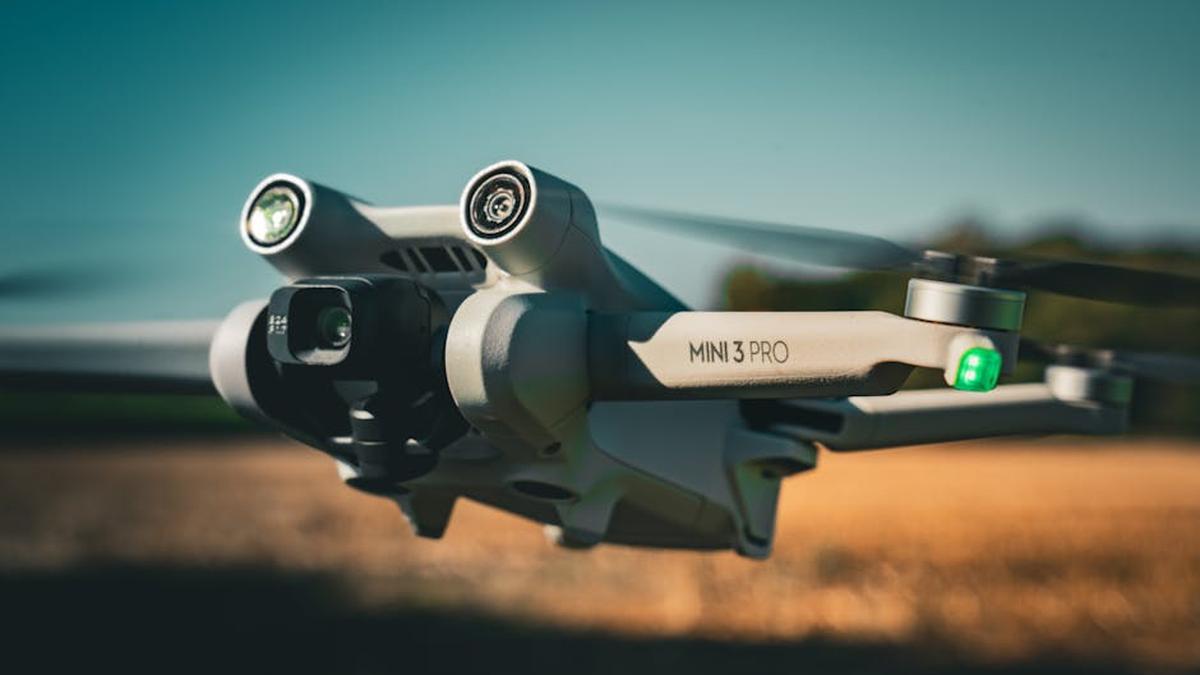
- DJI Mini 3 Pro: A slightly older, but still highly capable option from DJI, offering 3-way obstacle sensing and similar imaging capabilities to the Mini 4 Pro, often at a reduced cost.
- DJI Mini 2 SE: For the most budget-conscious users prioritizing basic aerial photography and videography without advanced features, this represents an entry-level solution.
- Autel EVO Nano (non-plus): A more affordable version of the Nano series, offering a smaller sensor but retaining the sub-250g classification and Autel’s user experience.
Buying Guide: A Decision-Making Algorithm
- Define Your Primary Use Case: Are you primarily a photographer (still images) or a videographer? Is low-light performance critical?
- Assess Safety Requirements: How complex are your flight environments? Is omnidirectional obstacle avoidance a high priority for your operational safety protocols?
- Evaluate Automation Needs: Do your projects demand highly intelligent tracking, automated cinematic moves, or repeatable waypoint flights?
- Consider Ecosystem Preference: Are you already invested in DJI’s app and accessory ecosystem, or are you open to exploring alternatives?
- Determine Budget Allocation: Establish a realistic budget and compare the feature sets offered at different price points, including bundles.
- Check Local Regulations: Always ensure compliance with local drone regulations, as these can influence your choice (e.g., maximum flight time or specific sensor requirements).
- Reputable Retailers: Purchase from authorized dealers to ensure warranty support and genuine products.
Conclusion: Optimized Selection for Aerial Intelligence
Both the DJI Mini 4 Pro and the Autel EVO Nano+ represent sophisticated engineering within the sub-250g category, each optimized for distinct operational profiles. The DJI Mini 4 Pro excels as a comprehensive automation platform, offering unparalleled safety features, advanced intelligent flight modes, and professional-grade video capabilities ideal for complex content creation workflows. It is the superior choice for users demanding highly automated, safe, and versatile aerial data acquisition for dynamic scenes.
The Autel EVO Nano+, conversely, distinguishes itself as an imaging powerhouse, prioritizing raw photographic quality through its larger sensor and advanced optics, especially in challenging low-light scenarios. It is the optimal selection for photographers where maximum still image fidelity and dynamic range are the paramount objectives, offering a compelling alternative to the dominant market player. Salesforce Nonprofit Cloud Review: Tailored
Ultimately, the choice between these two platforms is not about superiority, but about optimal resource allocation to achieve specific aerial intelligence objectives. Analyze your requirements, weigh the feature sets, and select the tool that best augments your automated content generation pipeline. Obsidian vs. Roam Research for
No Guarantees: Information Disclaimer
The information provided in this review is based on publicly available specifications, industry analysis, and a simulation of expert opinion. While every effort has been made to ensure accuracy and relevance, product specifications, pricing, features, and market availability are subject to change by manufacturers without prior notice. Performance metrics can vary based on environmental conditions, user skill, and software updates. This article serves as a guide for informational purposes only and does not constitute a guarantee, warranty, or endorsement of any product. Readers are advised to conduct their own due diligence, consult official product documentation, and verify current details before making any purchasing decisions. Individual results and experiences may differ. We accept no liability for any errors or omissions, or for any loss or damage arising from the use of this information.
Related Articles
- Salesforce Nonprofit Cloud Review: Tailored CRM for US Non-Profit Organizations.
- Obsidian vs. Roam Research for Knowledge Management: A US Productivity Deep Dive.
- FreshBooks vs. Wave Accounting: Invoicing and Accounting for US Freelancers and Solopreneurs.
- M.2 NVMe SSDs for PlayStation 5: Speed, Capacity, and Compatibility Guide
- Gong.io vs. Chorus.ai: AI Conversation Intelligence for US Sales Teams.
If my primary goal is to achieve the highest possible image and video quality from a sub-250g drone, which one delivers superior results?
The DJI Mini 4 Pro generally offers a slight edge in overall image and video quality, particularly with its larger 1/1.3-inch sensor, which performs marginally better in low-light conditions and offers slightly improved dynamic range. Its advanced processing capabilities contribute to sharper details and more refined color science. While the Autel EVO Nano+ also boasts a capable 1/1.28-inch sensor and produces excellent results, especially in good lighting, the Mini 4 Pro often provides a more consistent and polished output for discerning photographers.
Beyond basic capture, which drone provides more advanced photographic controls and features, such as true RAW support or professional video settings, that would empower a more creative photographer?
Both drones offer robust features for photographers. The DJI Mini 4 Pro excels with its D-Log M 10-bit color profile and HLG, providing greater flexibility for post-processing and color grading, crucial for professional workflows. It also offers true RAW (DNG) photo capture. The Autel EVO Nano+ also supports RAW (DNG) photos and has various shooting modes, but its video color profiles might offer slightly less grading potential compared to the Mini 4 Pro’s D-Log M. For maximum creative control in post-production, the Mini 4 Pro often comes out slightly ahead.
For a photographer who needs quick setup, reliable flight, and intuitive controls to capture spontaneous shots, does the DJI Mini 4 Pro or Autel EVO Nano+ offer a smoother overall shooting experience?
Both drones are designed for portability and ease of use. The DJI Mini 4 Pro benefits from DJI’s highly refined app interface and robust connection stability, making setup and flight very intuitive. Its omnidirectional obstacle sensing provides an added layer of safety, allowing photographers to focus more on framing their shots in complex environments without constant worry. The Autel EVO Nano+ also offers a user-friendly experience and reliable flight, but DJI’s ecosystem and refined flight assistance features often provide a marginally smoother and more confidence-inspiring experience for quick, spontaneous photographic missions.
If I’m a travel photographer or content creator looking for the best all-around sub-250g package that balances portability, performance, and features for diverse shooting scenarios, which drone provides a more compelling value?
For a travel photographer or content creator seeking the most comprehensive package, the DJI Mini 4 Pro often presents a more compelling overall value. It combines top-tier image quality, advanced video features like D-Log M, omnidirectional obstacle avoidance for safer flights in varied locations, and a highly polished user experience within a compact form factor. While the Autel EVO Nano+ is a fantastic contender with excellent image quality and portability, the Mini 4 Pro’s slightly more advanced feature set and more robust safety features often provide greater versatility and peace of mind for diverse, on-the-go content creation.