





Real-world use shows a completely different picture than most guides explain.
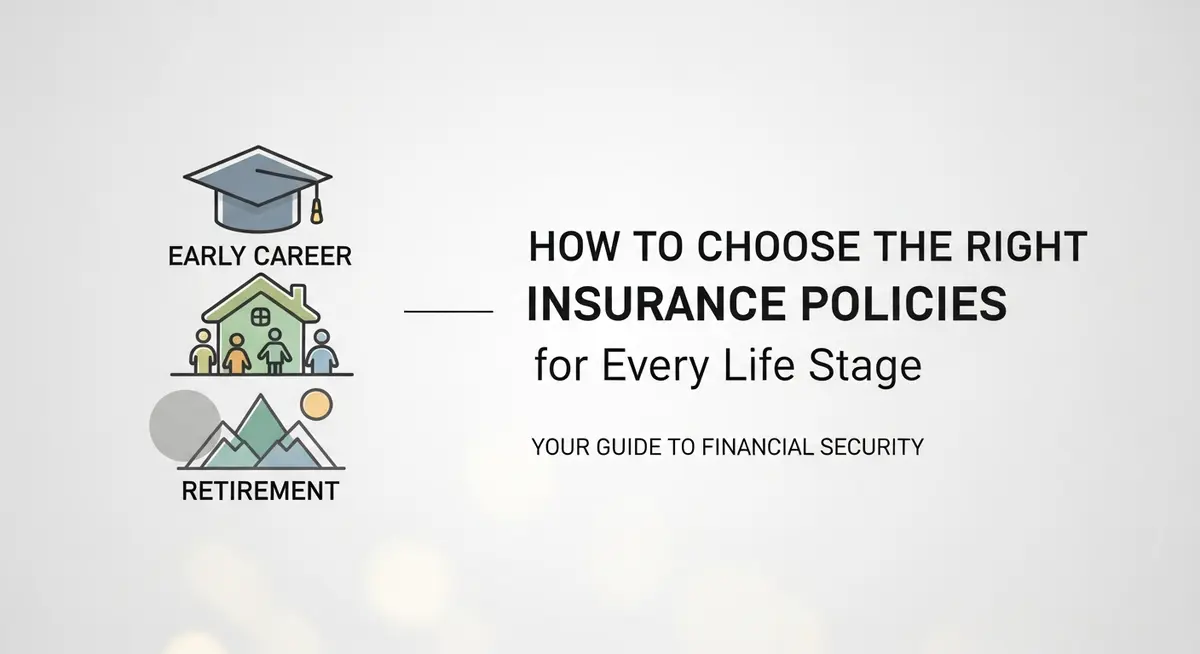
Navigating Life’s Journey: Choosing the Right Insurance Policies for Every Stage
Life is a dynamic journey, marked by evolving responsibilities, milestones, and dreams. As your circumstances change, so too do your financial protection needs. The “right” insurance policy isn’t a static choice; it’s a living strategy that adapts with you, ensuring you and your loved ones are adequately covered against the unexpected at every turn. Understanding how to align your insurance portfolio with your current life stage is crucial for building a resilient financial foundation.
The Foundation: Early Adulthood & Starting Out
For many, this stage begins with establishing independence, perhaps completing education, starting a career, and potentially living away from home for the first time. Financial resources might be limited, but the need for protection is still very real.
During these formative years, the focus is on securing fundamental coverage to protect your nascent financial stability and personal well-being. Think about what would happen if you faced an unexpected illness, accident, or loss of possessions.
- Health Insurance: This is non-negotiable. An unforeseen medical emergency can derail your financial future before it even begins. Ensure you have comprehensive health coverage that includes doctor visits, prescriptions, and emergency care.
- Auto Insurance: If you own or regularly drive a car, auto insurance is often legally required and absolutely essential. It protects you from financial liabilities in case of an accident, covering damages, injuries, and often your own vehicle.
- Renters Insurance: Frequently overlooked, renters insurance provides affordable protection for your personal belongings against theft, fire, and other perils. It also offers liability coverage if someone is injured in your rented space.
- Disability Insurance: Your ability to earn an income is your most valuable asset. If an illness or injury prevents you from working, short-term or long-term disability insurance can replace a portion of your income, preventing financial hardship.
Growing Responsibilities: Family Building & Career Development
As you progress through your twenties and thirties, life often brings significant milestones: marriage, purchasing a home, and starting a family. With these joyful responsibilities come increased financial obligations and a deeper need to protect those who depend on you. A Beginner’s Guide to Investing: How to Start Building Your Wealth
Your insurance strategy must expand to shield your growing assets and secure the future of your dependents. This is where more robust and specialized policies come into play. The Essential Legal Compliance Checklist for Small Businesses
- Life Insurance: This becomes paramount once others rely on your income. A solid life insurance policy provides a financial safety net for your family should you pass away unexpectedly, covering mortgages, education costs, and daily living expenses. Term life insurance is often a popular and affordable choice during this stage, offering coverage for a specific period.
- Homeowners Insurance: If you’ve purchased a home, this policy protects your most significant asset against damage from events like fire, storms, and theft. It also includes liability coverage in case someone is injured on your property.
- Enhanced Health Insurance: With a family, reviewing and potentially upgrading your health insurance plan to accommodate dependents, maternity coverage, and broader pediatric care becomes important.
- Critical Illness Insurance: While health insurance covers treatment, a critical illness policy provides a lump sum payment upon diagnosis of specific conditions (like cancer or a heart attack), which can help cover lost income, experimental treatments, or lifestyle adjustments.
Peak Earning & Planning for the Future: Mid-Life & Beyond
Mid-life often finds individuals at the peak of their careers, with significant assets accumulated and children potentially nearing or entering adulthood. The focus shifts from simply protecting against immediate risks to securing long-term financial stability and planning for retirement. How to Write a Winning Business Plan: A Step-by-Step Guide for Entrepreneurs
This is a critical time to assess your long-term needs and adjust your policies to reflect your established wealth and future goals.
- Reviewing Life Insurance: As debts decrease and investments grow, you might consider adjusting your life insurance coverage. If your term policy is expiring, evaluate whether you still need coverage, or if a different type of policy, like permanent life insurance (whole or universal), might better serve your estate planning goals.
- Long-Term Care Insurance: A crucial consideration in mid-life, long-term care insurance helps cover the costs of services like in-home care, assisted living, or nursing home care, which are typically not covered by standard health insurance or Medicare. Planning ahead ensures you can maintain your independence and protect your savings from these potentially exorbitant costs.
- Umbrella Insurance: With greater assets, you become a larger target for lawsuits. An umbrella policy provides an extra layer of liability protection above the limits of your homeowners and auto insurance, safeguarding your wealth against major claims.
- Estate Planning & Beneficiary Reviews: While not strictly an insurance policy, regularly reviewing your beneficiaries on all insurance policies and retirement accounts is vital. Ensure they align with your current wishes and estate plan.
The Golden Years: Retirement & Legacy Planning
Reaching retirement is a significant achievement, marking a shift from earning to living off your accumulated savings and fixed income sources. Insurance at this stage focuses on preserving your legacy, managing healthcare costs, and ensuring peace of mind.
Your insurance portfolio should now prioritize health security, asset protection, and streamlined solutions for final expenses.
- Medicare & Supplement Plans: For most retirees in many regions, Medicare becomes your primary health coverage. However, it doesn’t cover everything. Medicare Supplement (Medigap) plans or Medicare Advantage plans can help fill the gaps, covering deductibles, copayments, and potentially prescription drugs.
- Long-Term Care (if not already in place): If you didn’t secure long-term care insurance earlier, assess its relevance now. While premiums might be higher, the potential costs of care later in life make it a worthwhile consideration for many.
- Final Expense Insurance: Also known as burial insurance, this is a smaller whole life policy designed specifically to cover funeral costs and other end-of-life expenses, sparing your family from an unexpected financial burden during a difficult time.
- Annuities: While not traditional insurance, annuities can be an important part of a retirement income strategy, providing a guaranteed stream of income for a set period or for life. They offer a form of financial security against outliving your savings.
Key Principles for Choosing Any Policy
- Assess Your Needs Regularly: Your life changes, and so should your insurance. Make it a habit to review your policies annually or whenever a major life event occurs (marriage, birth of a child, new home, job change).
- Understand Policy Details: Don’t just look at the premium. Dig into deductibles, co-pays, coverage limits, exclusions, and waiting periods. Know what you’re buying.
- Compare Providers: Shop around. Different insurance companies offer varying rates and benefits. Utilize independent agents or online comparison tools to find the best value for your specific needs.
- Seek Professional Advice: A qualified insurance agent or financial advisor can provide personalized guidance, helping you navigate complex options and tailor a strategy that aligns with your unique situation and financial goals.
- Don’t Just Focus on Price: While cost is a factor, prioritize comprehensive coverage and a reputable provider with excellent customer service and a strong claims history. The cheapest policy might not be the best protection when you need it most.
Your Insurance Journey: A Continuous Process
Choosing the right insurance policies is not a one-time decision but an ongoing process of assessment, adjustment, and vigilance. By proactively aligning your coverage with your life’s evolving stages, you empower yourself with the financial security and peace of mind needed to face the future with confidence, knowing that you and your loved ones are protected every step of the way.