




Robot Vacuums with LiDAR Navigation and Self-Emptying Bins: A Comprehensive Guide for the Savvy Entrepreneur
Introduction: Maximizing Efficiency in Your Modern Home
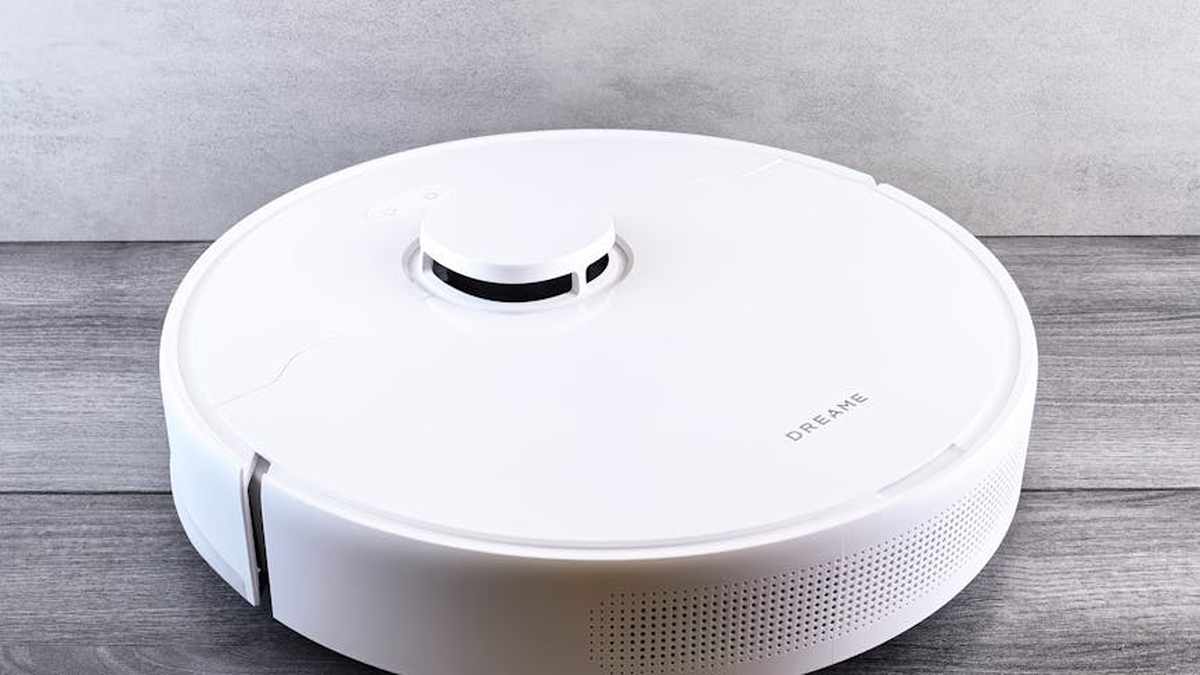
As a practical entrepreneur, you understand the value of time, efficiency, and smart investments. In today’s fast-paced world, delegating mundane tasks is not just a luxury; it’s a strategic move to free up your most valuable asset: your attention. This principle extends directly to maintaining a pristine living or working environment. Enter the next generation of robot vacuums, equipped with cutting-edge LiDAR navigation and convenient self-emptying bins. These aren’t just gadgets; they’re sophisticated automated cleaning solutions designed to operate with minimal intervention, turning a weekly chore into a set-and-forget operation. Let’s deep dive into how these devices can transform your approach to cleanliness and why they might be the smartest addition to your smart home ecosystem.
The Investment in Automation: A Quick Overview
LiDAR (Light Detection and Ranging) navigation allows these robots to map your home with incredible precision, creating highly accurate floor plans, enabling efficient cleaning paths, and adapting to dynamic environments. Coupled with self-emptying bins, which automatically transfer collected debris from the robot’s internal dustbin to a larger, sealed bin in its charging dock, you’re looking at weeks, sometimes even months, of hands-free operation. This combination isn’t just about cleaning; it’s about reclaiming your time and ensuring a consistently spotless space with minimal fuss.
Key Features that Drive Value
- Precision LiDAR Mapping: Builds multi-floor maps, defines no-go zones, and directs the robot efficiently.
- Self-Emptying Bins: Eliminates daily dustbin emptying, reducing direct contact with dust and allergens.
- Powerful Suction: Capable of tackling pet hair, fine dust, and larger debris on various floor types.
- Advanced Obstacle Avoidance: Uses cameras and AI to identify and navigate around shoes, cables, and other common household clutter.
- Integrated Mopping Functions: Many models offer simultaneous vacuuming and mopping for a comprehensive clean.
- Smart App Control: Full customization of cleaning schedules, zones, power levels, and real-time monitoring.
Comparing Top-Tier Contenders
| Feature | Roborock S7 MaxV Ultra | Ecovacs Deebot X1 Omni |
|---|---|---|
| Navigation Technology | LiDAR (PreciSense) + ReactiveAI 2.0 (RGB camera + 3D structured light) | LiDAR (dToF) + AIVI 3D (RGBD camera + visual recognition) |
| Self-Emptying Station | Empty Wash Fill Dock (Auto-emptying, auto-refilling water, auto-washing mop) | Omni Station (Auto-emptying, auto-refilling water, auto-washing/drying mop) |
| Suction Power (Pa) | 5100 Pa | 5000 Pa |
| Mopping System | VibraRise (sonic vibration, auto-lifting mop) | OZMO Turbo 2.0 (dual spinning mop pads) |
| Obstacle Avoidance | ReactiveAI 2.0 (object recognition and avoidance) | AIVI 3D (visual and structural light recognition) |
| Voice Control/Assistant | Google Assistant, Alexa, Siri, In-app voice commands | YIKO Voice Assistant, Google Assistant, Alexa |
| Estimated Price Range (USD) | $1200 – $1400+ | $1000 – $1200+ |
The Pros: Why This Investment Pays Off
- Unparalleled Convenience: Set it and forget it for weeks on end. The ultimate time-saver.
- Superior Cleaning Performance: LiDAR ensures systematic, thorough coverage; powerful suction leaves floors spotless.
- Improved Air Quality & Hygiene: Less direct contact with dust and allergens, especially beneficial for allergy sufferers.
- Smart Integration: Seamlessly fits into a smart home ecosystem with app control and voice commands.
- Consistent Cleanliness: Regular, automated cleaning maintains a higher standard of hygiene than occasional manual efforts.
- Multi-Tasking Marvel: Many models vacuum and mop simultaneously, tackling two chores at once.
The Cons: Realistic Considerations
- Significant Upfront Cost: These premium devices represent a considerable investment.
- Maintenance Requirements: While largely automated, brushes, filters, and mop pads still need periodic cleaning or replacement.
- Space Footprint: The self-emptying dock can be quite large, requiring dedicated floor space.
- Not a Full Replacement: Cannot clean stairs, very tight corners, or perform deep spot cleaning.
- Ongoing Consumable Costs: Replacement dust bags for the self-empty bin, new filters, and mop pads add to the long-term expense.
- Potential for Obstacle Snags: While advanced, extremely cluttered environments or very thin cables can still pose challenges.
Who Should Make This Investment?
- Busy Professionals & Entrepreneurs: Those who value time above all else and seek maximum automation.
- Homeowners with Large or Multi-Level Homes: The efficiency of LiDAR mapping shines in complex layouts.
- Pet Owners: Excellent at managing pet hair and dander, with the self-empty bin being a huge advantage.
- Tech Enthusiasts: Anyone who appreciates cutting-edge smart home technology and seamless integration.
- Individuals with Allergies: Minimizes exposure to dust and allergens during the cleaning process.
Who Should Potentially Avoid (For Now)
- Budget-Conscious Buyers: If the upfront cost is a major barrier, more basic models or manual cleaning might be more suitable.
- Very Small Living Spaces: The large dock might not justify the space in a tiny apartment.
- Homes with Excessive Clutter: While obstacle avoidance is good, perpetually messy floors will still hinder performance.
- Those Who Prefer Manual Control: If you enjoy the hands-on aspect of cleaning, the automation might feel excessive.
Pricing Insight: Understanding the Value Proposition
These premium robot vacuums typically range from $800 to $1800+, sometimes even more for the absolute top-tier models with full docking stations that also wash and dry mops. This isn’t a casual purchase; it’s an investment. The value lies in the significant time savings, the consistently cleaner environment, and the peace of mind that comes with delegating a routine chore. When you calculate the hourly rate you place on your own time, the cost of a few hours of manual cleaning over a year can quickly make this automation a worthwhile expenditure. Consider it an operational efficiency upgrade for your personal space.
Alternatives to Consider
- Basic Robot Vacuums: Less expensive, but lack LiDAR mapping and self-emptying convenience.
- Stick Vacuums / Handhelds: Offers manual control, great for spot cleaning, but requires your direct effort.
- Traditional Upright Vacuums: Powerful, but bulky and entirely manual.
- Professional Cleaning Services: The ultimate hands-off approach, but with recurring costs and scheduling.
- Robot Vacuums without Self-Emptying: Still offer LiDAR, but require daily manual dustbin emptying.
Your Buying Guide: Making a Strategic Choice
- Assess Your Home: Consider square footage, number of rooms, floor types (carpets, hard floors), and typical clutter levels.
- Pet Hair & Allergies: If these are concerns, prioritize strong suction and robust self-emptying systems.
- Mop Functionality: Decide if integrated mopping is a must-have. Some systems are better than others.
- Budget & Features: Balance your desired features against your budget. Don’t overpay for features you won’t use.
- App Ecosystem: Look into the accompanying app’s user-friendliness, customization options, and smart home integration.
- Maintenance & Consumables: Research the cost and availability of replacement parts (dust bags, filters, brushes).
- Reviews & Reliability: Consult multiple reputable reviews, focusing on long-term reliability and customer support experiences.
Conclusion: A Smart Investment for a Smarter Lifestyle
For the practical entrepreneur, the decision to invest in a robot vacuum with LiDAR navigation and a self-emptying bin boils down to a clear return on investment: time saved, a consistently cleaner environment, and reduced mental load. These devices are not merely cleaning tools; they are powerful efficiency engines for your home. By automating one of life’s perpetual chores, you free yourself to focus on what truly matters, whether that’s your business, your family, or your personal well-being. Make the strategic choice to upgrade your home management and experience the profound benefits of intelligent automation.
Disclaimer: This guide provides general information and insights. Product specifications, features, and pricing are subject to change by manufacturers. Individual experiences may vary. Always conduct your own research and consider your specific needs before making a purchase. No guarantees or warranties, express or implied, are made regarding the accuracy, completeness, or suitability of the information provided herein.
Monday CRM Review: Does it
Related Articles
- Monday CRM Review: Does it Compete with Dedicated CRM Solutions for US Businesses?
- Notion for Project Management: Advanced Strategies for US Creative Teams.
- DJI Mini 4 Pro vs. Autel EVO Nano+: Sub-250g Drone Photography Comparison
- Coda.io Review: Building Custom Apps and Docs for US Operational Efficiency.
- Top OLED Monitors for Graphic Designers Under $800 in 2024
How do I determine if a robot vacuum with LiDAR navigation and a self-emptying bin is the right investment for my specific home and lifestyle needs?
This advanced combination is ideal for users seeking maximum convenience and efficiency, especially in larger homes (1500+ sq ft), multi-level residences, or environments with pets. If you have complex floor plans, frequently change furniture, or simply want to minimize daily interaction with your vacuum, the precision mapping of LiDAR and the hands-free dustbin are invaluable. For smaller, simpler homes with fewer obstacles, a basic model might suffice, but for those valuing smart mapping features, comprehensive cleaning, and weeks of autonomous operation, the investment is generally well-justified.
What are the key performance advantages of LiDAR navigation over traditional bump-and-go or camera-based systems, especially in homes with complex layouts or multiple floor types?
LiDAR (Light Detection and Ranging) navigation offers significantly superior performance, particularly in complex environments. Unlike random bump-and-go models, LiDAR creates a precise, real-time map of your home, allowing for systematic and efficient cleaning paths without missing spots. Compared to camera-based systems, LiDAR performs reliably in total darkness and is less susceptible to lighting conditions, enhancing accuracy and speed. This translates to faster cleaning cycles, better obstacle avoidance, multi-floor mapping capabilities, and the ability to set highly accurate virtual no-go zones or specific cleaning areas – crucial for multi-room, multi-level homes with varying floor types.
Beyond not emptying the dustbin daily, what tangible convenience benefits does a self-emptying bin offer, and what ongoing maintenance or considerations should I be aware of?
The self-emptying bin provides substantial convenience beyond just daily emptying. It significantly reduces your interaction with dust and allergens, making it beneficial for allergy sufferers. It also allows for weeks, sometimes even a month, of truly hands-free operation, meaning you can set it and forget it, even when away from home. Tangible benefits include reduced exposure to dust clouds, better odor containment, and consistent cleaning performance as the robot’s onboard bin is always empty for the next cleaning cycle. However, ongoing considerations include the periodic cost and replacement of disposable dust bags in the auto-empty station (typically every 1-2 months), and the occasional noise during the emptying process, which usually lasts only 10-20 seconds.
When comparing different robot vacuum models that feature both LiDAR navigation and self-emptying bins, what are the critical differentiating factors I should prioritize to make the best purchasing decision?
While both features offer great value, prioritize several key differentiators to choose the best model. Look at the accompanying app’s capabilities: does it support multi-floor mapping, custom room cleaning, no-go zones, and editable maps? Evaluate suction power (measured in Pa) for effective cleaning across various floor types, especially if you have pets or carpets. Consider battery life and recharge-and-resume functionality for larger homes. Assess the capacity of the self-emptying station’s dust bag and the cost/availability of replacement bags. Finally, check for advanced obstacle avoidance (e.g., reactive AI) if you often have small objects on the floor, and read reviews regarding the brand’s reliability and customer support.